Chapter 3 | THE FIRST ANIMAL BOOK
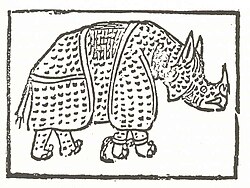
Long before photography existed, artists often drew animals from other countries based on stories from travelers and/or examples from other artists. The fact that the rhinoceros’s skin appears to consist of separate plates, like armor, shows that this drawing originated, at least in part, from stories.
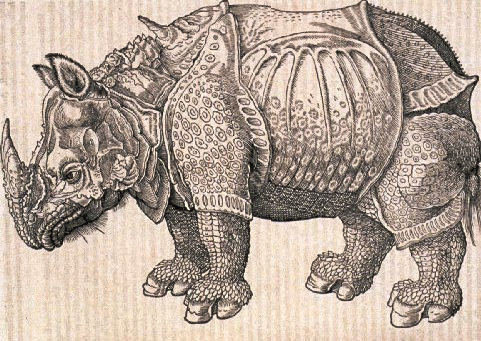
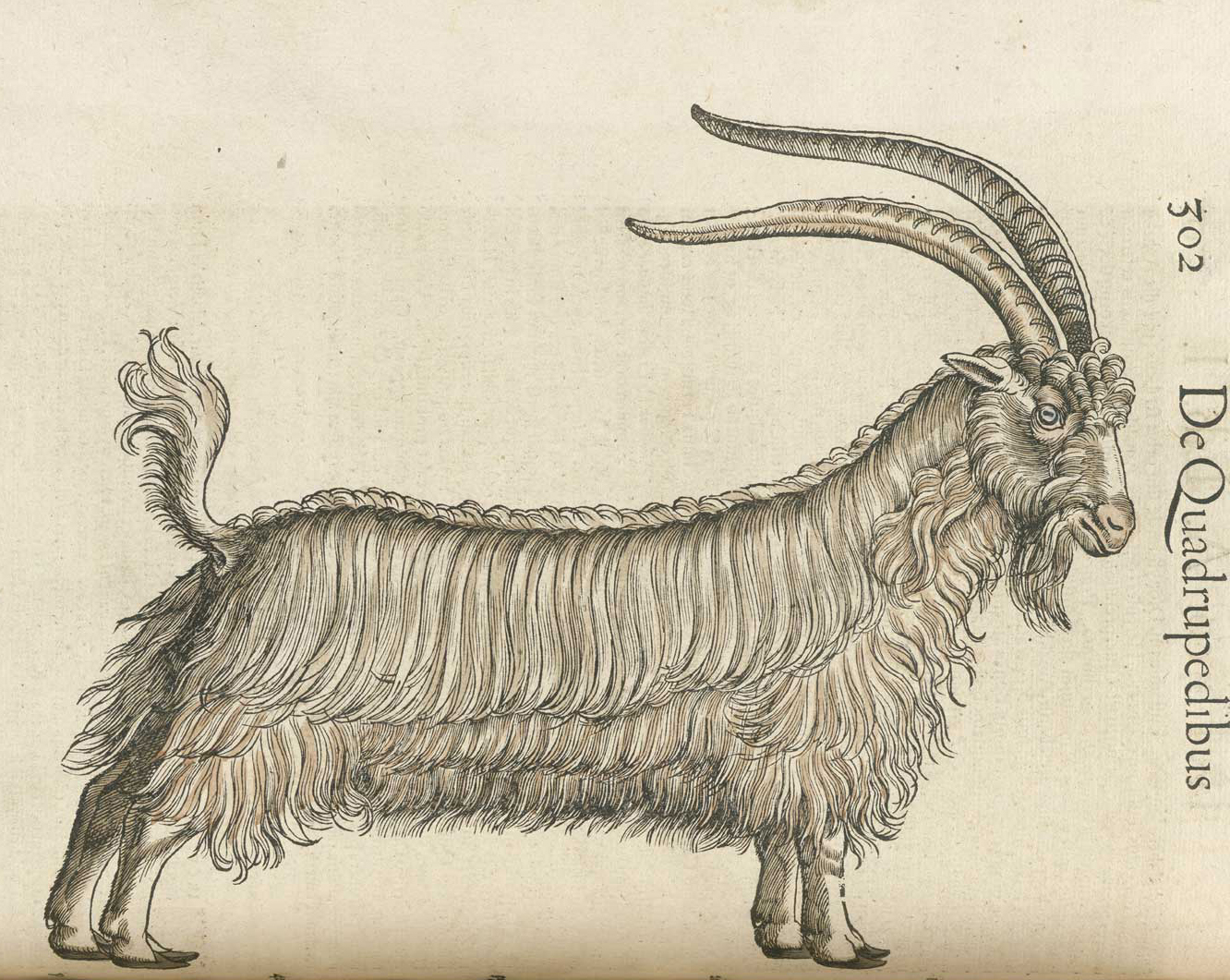
The first book about animals is the Historiae Animalium by the Swiss scientist Conrad Gessner, published in 1551. The book is full of fantastic drawings (woodcuts) by well known artists, of that time by Gessner himself and the illustrator Lucas Schan. A fine example is this goat or buck with its beautiful coat.
Because nowadays we are so accustomed to photographs, the animals in the book sometimes look a bit strange to our eyes. What the artists could not observe themselves, they filled in with their imagination.
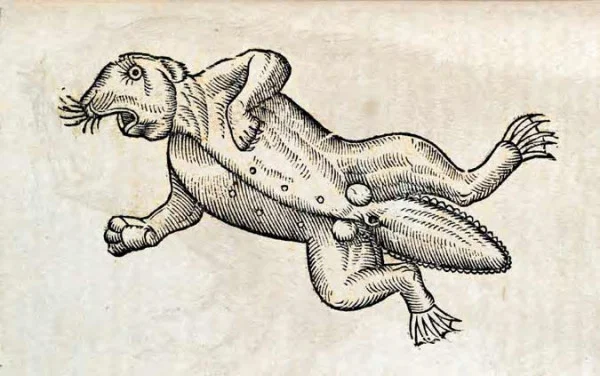
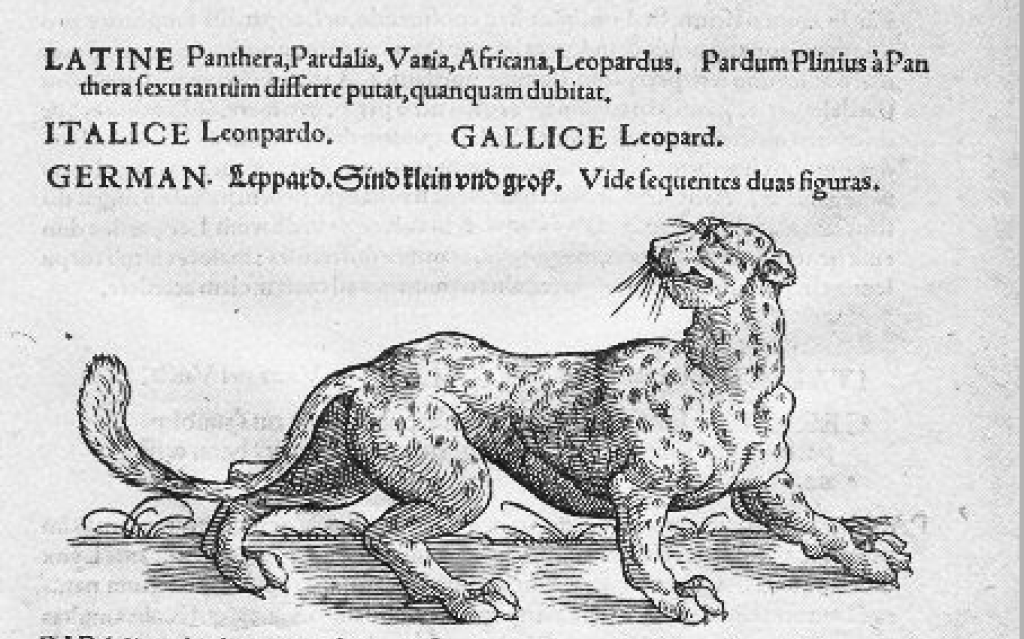
With this leopard, the artist shows very well how muscular and agile the animal is.
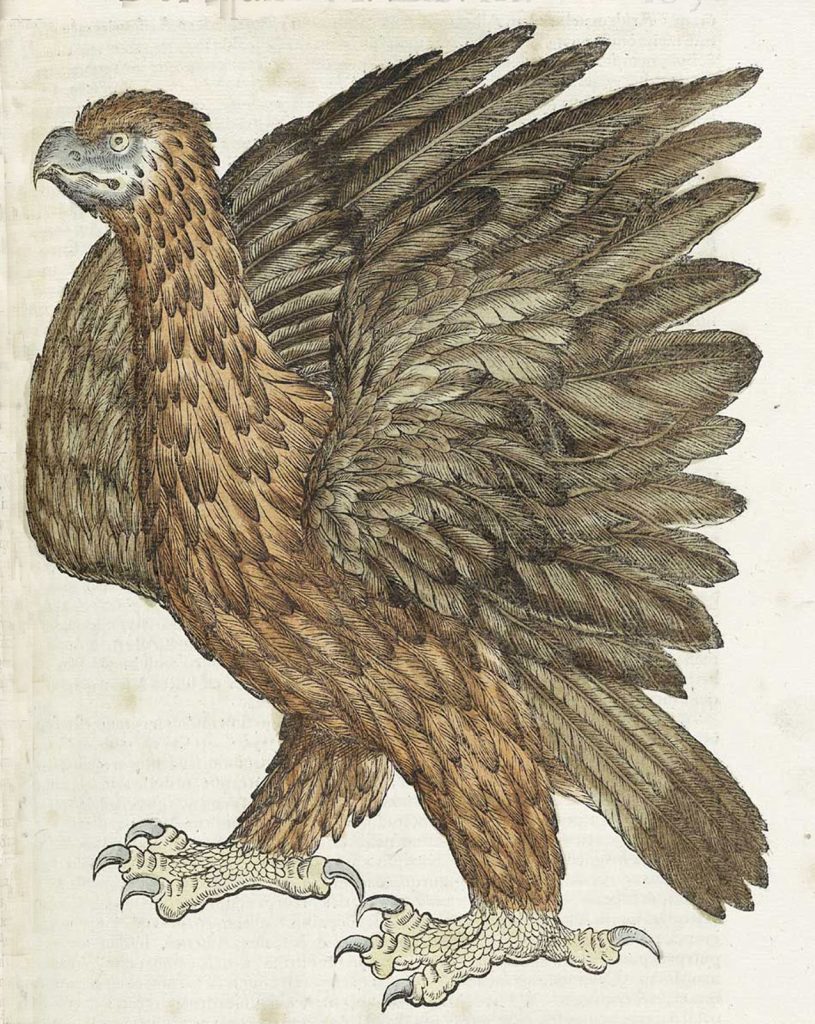
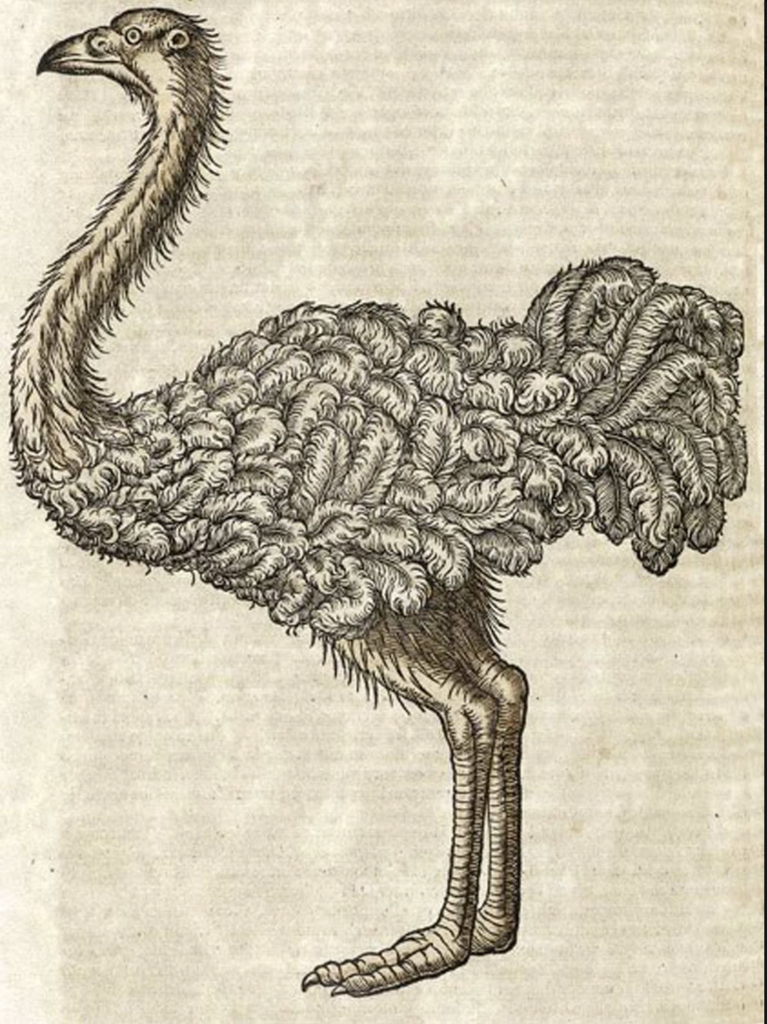
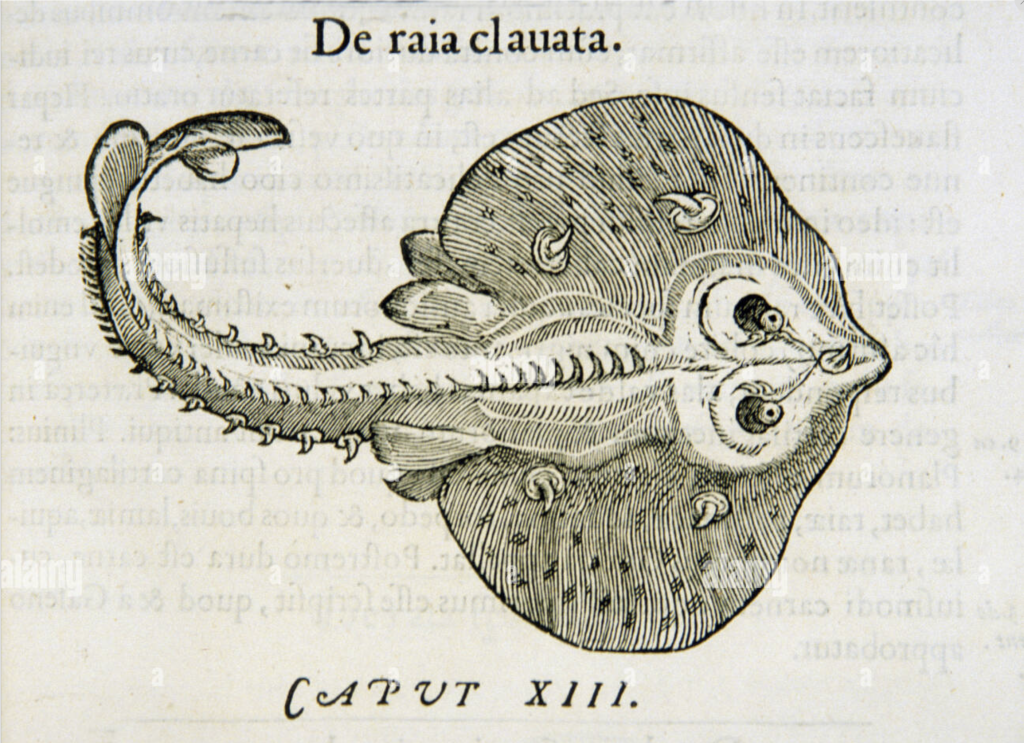
Birds and sea creatures also feature extensively in the book.
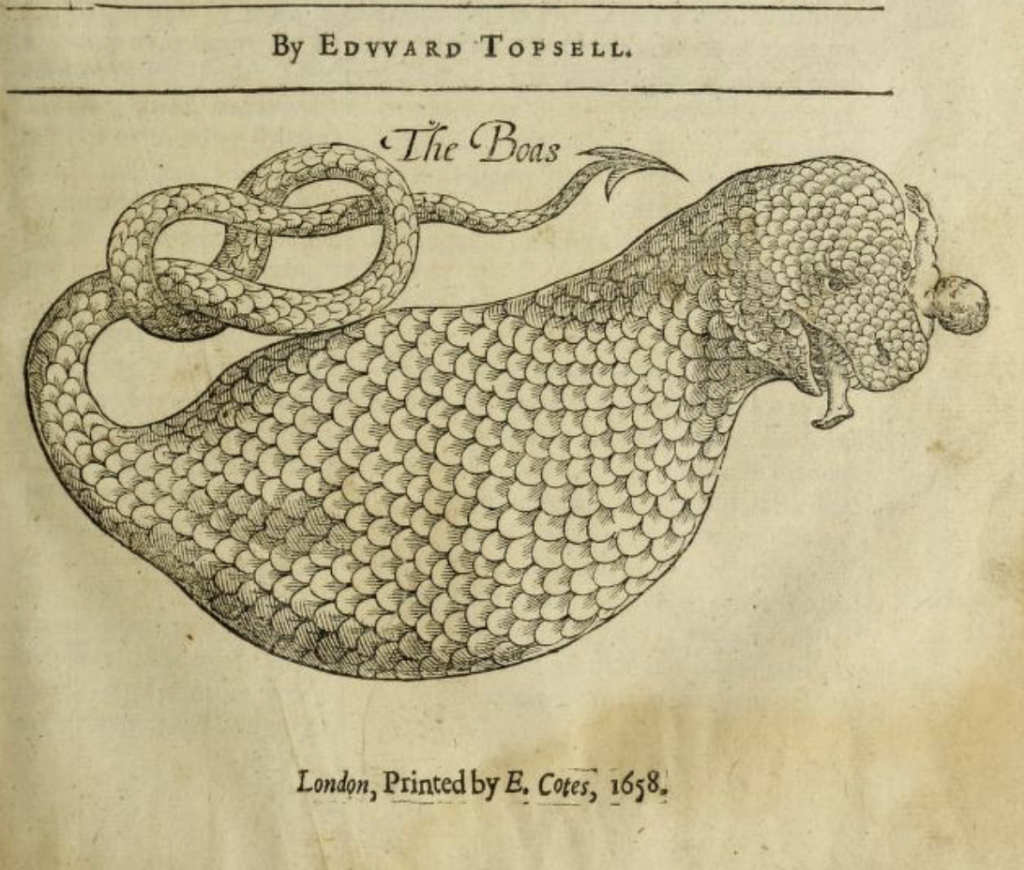
In the case of the ‘Boas’, a constrictor snake, the dimensions are greatly exaggerated, likely due to gruesome stories that it even eats people.
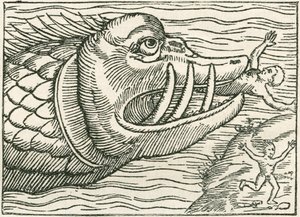
Also a sea serpent (the Olaus Magnus) is also drawn eating people.
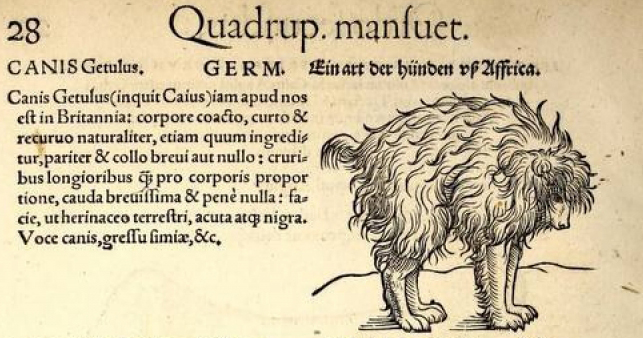
All the animals in the book are accompanied by descriptions of the history of the animal, the characteristics and the country of origin, all in Latin, the language generally used for science. Here is a South African dog breed.
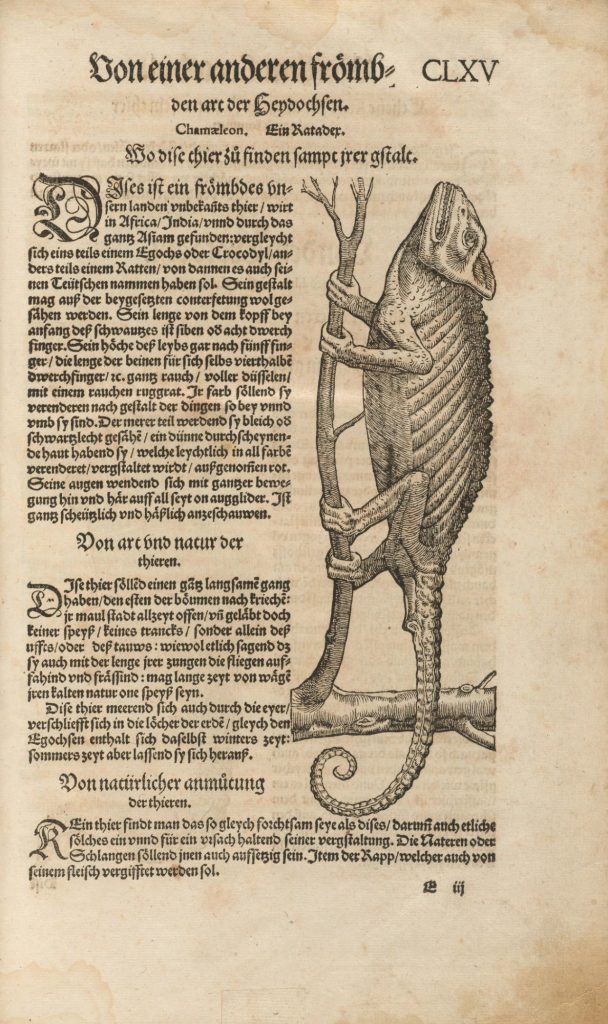
And the chameleon
And the giraffe
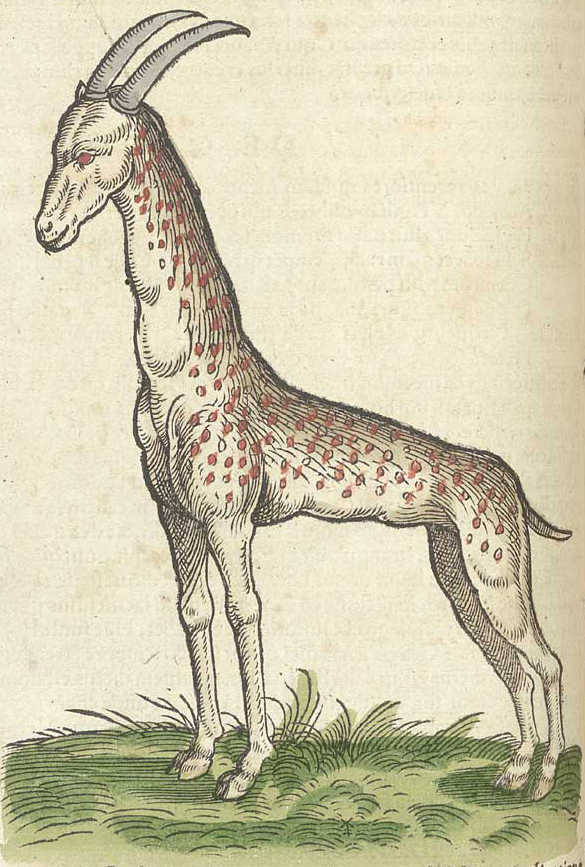
All in all, they are magnificent drawings, often enormously detailed. I find it almost a pity that our eyes have become so accustomed to photographs. Thanks to the technique of woodcuts and wood engravings, the images could be printed in editions. If you search for ‘Conrad Gessner’ or ‘Historiae animalium’, you will find many more examples. A century later many of the drawings reappear in ‘The history of four footed animals and serpents’ by the Englishman Edward Topsel. You can even browse through this book digitally on the internet.