Chapter 1 | INTRODUCTION
Anyone wanting to learn how to draw an animal from drawing books will often come across the following type of instructions: “How do I draw a cat in x number of steps.” It starts with basic shapes (such as circles) and some guidelines. In the following steps, the animal emerges. The end result is fixed.
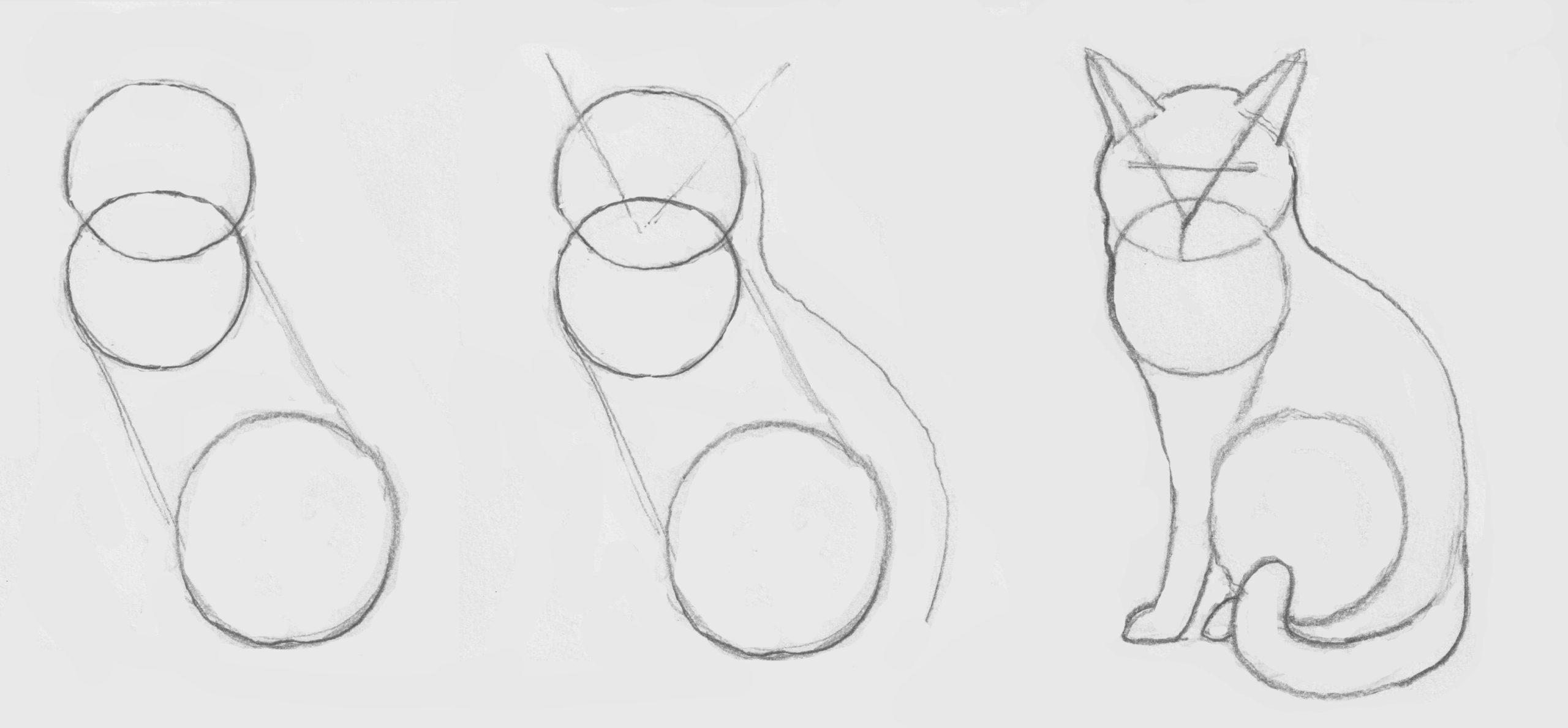
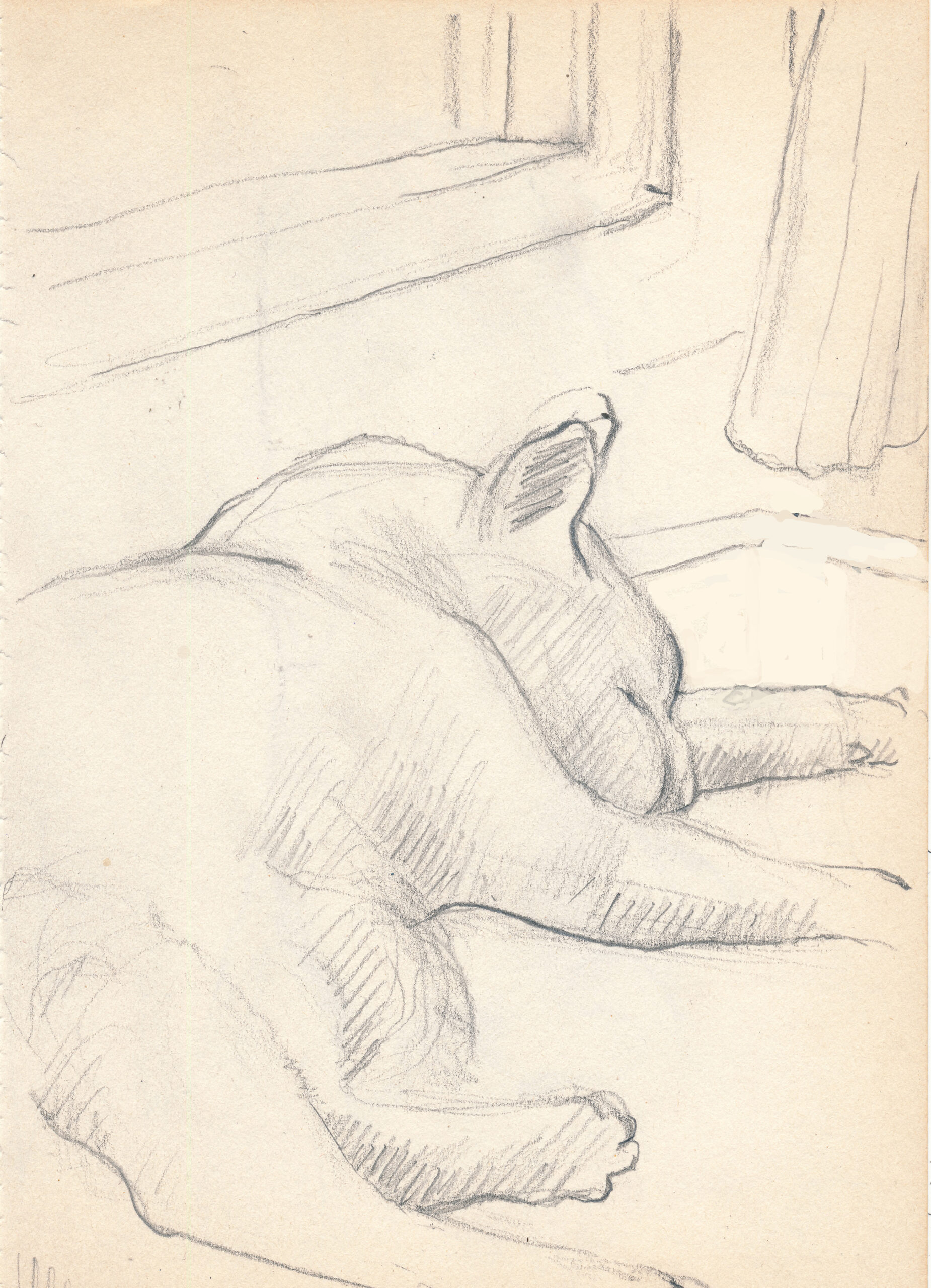
A more creative approach is to first observe an animal, either in real life or from a picture, and only see during the drawing process whether you might need to use a basic shape or guideline somewhere. This approach is applicable to any animal in any pose. I will show you some possibilities.
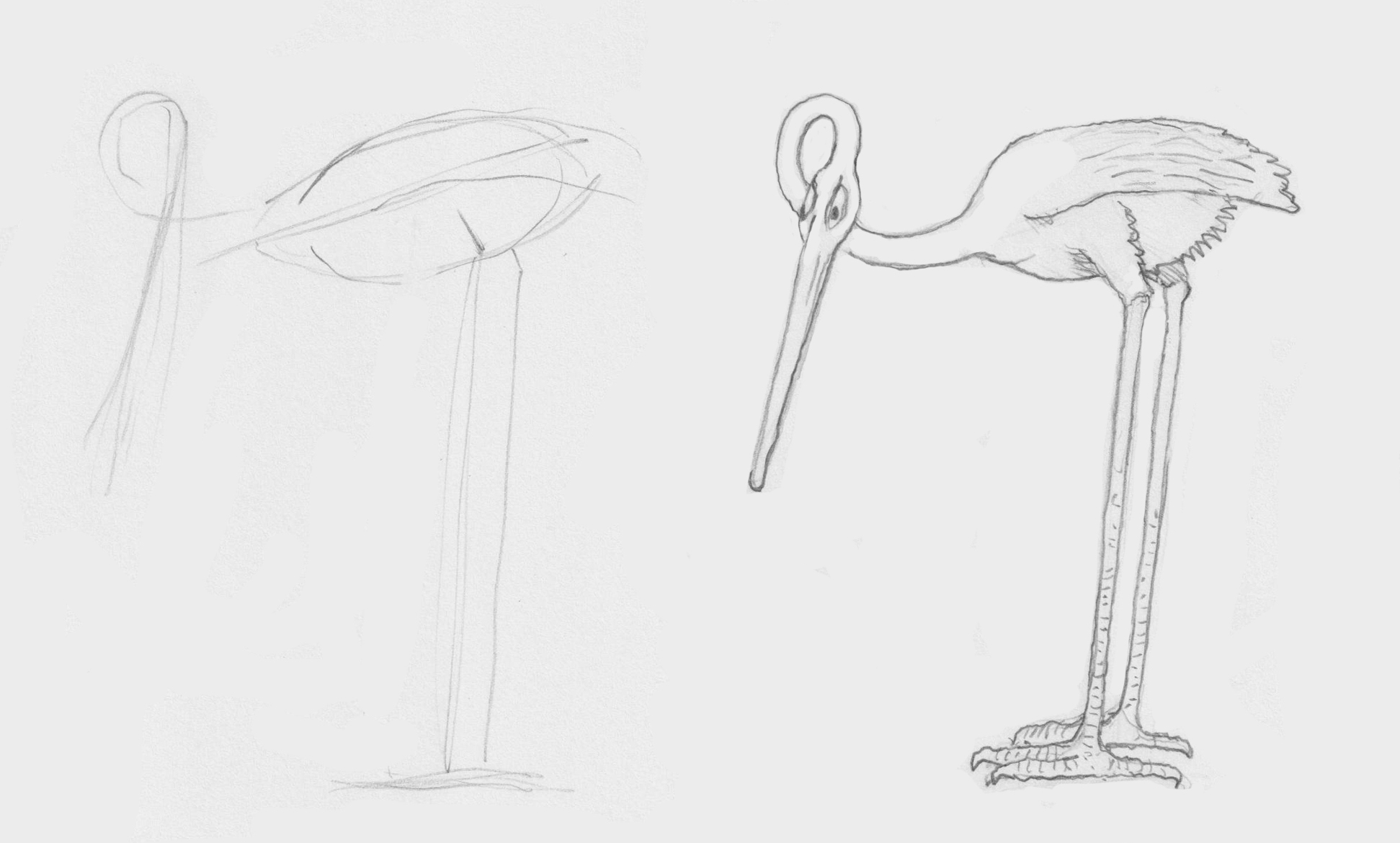
Start sketchily: With this bird from a favorite comic (Little Nemo in Slumberland), I started very sketchily (left). This way, I immediately got a rough idea of the shape of the body and the correct lengths and directions. Working it out, with an eraser at hand, became much easier as a result.
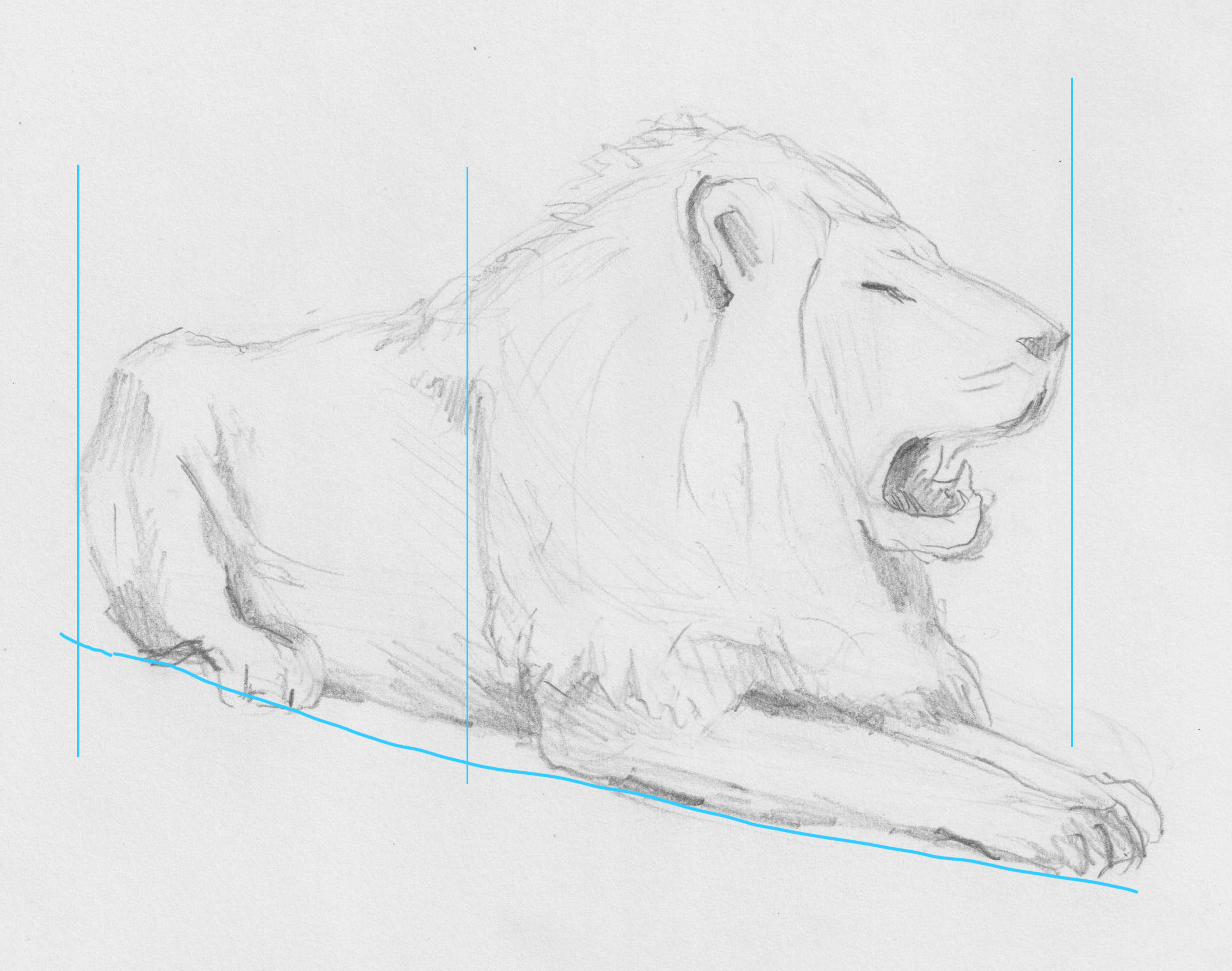
Determine ratios: With this reclining lion, not quite from the side and therefore slightly foreshortened in perspective (see Perspective part 2), it was important to see the ratio between the enormous head and the rest of the body. The slanted guideline from the front legs to the back was also essential.
Determine ratios: While tracing an ant from a photo, it proved useful to determine the proportions of the body parts. The higher position of the head relative to the ‘tail’ was also essential. Of course, this doesn’t have to be done with tight, colored guidelines like here. The most important thing is that you develop an eye for it. Guidelines can be drawn lightly and sketchily and erased later.
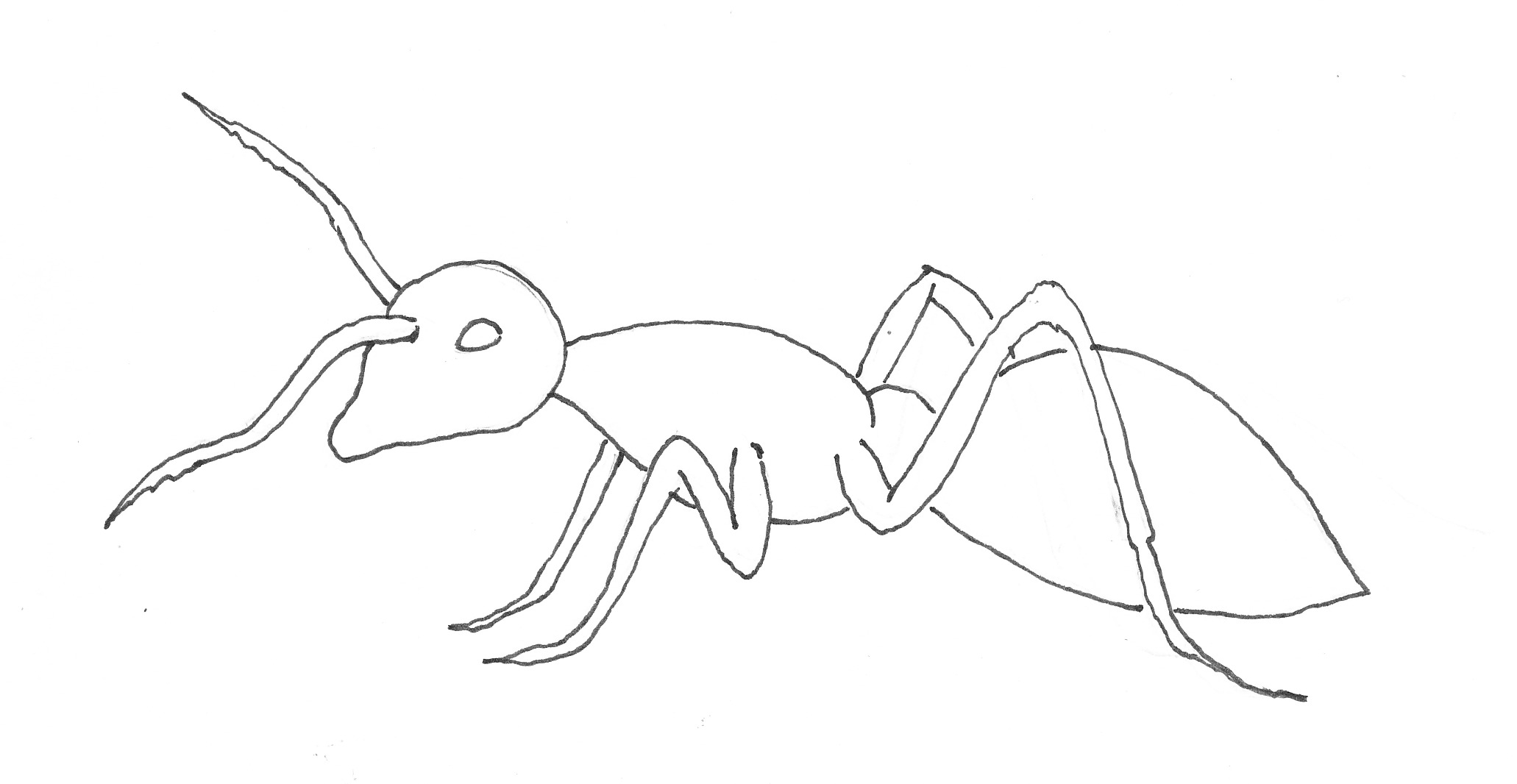
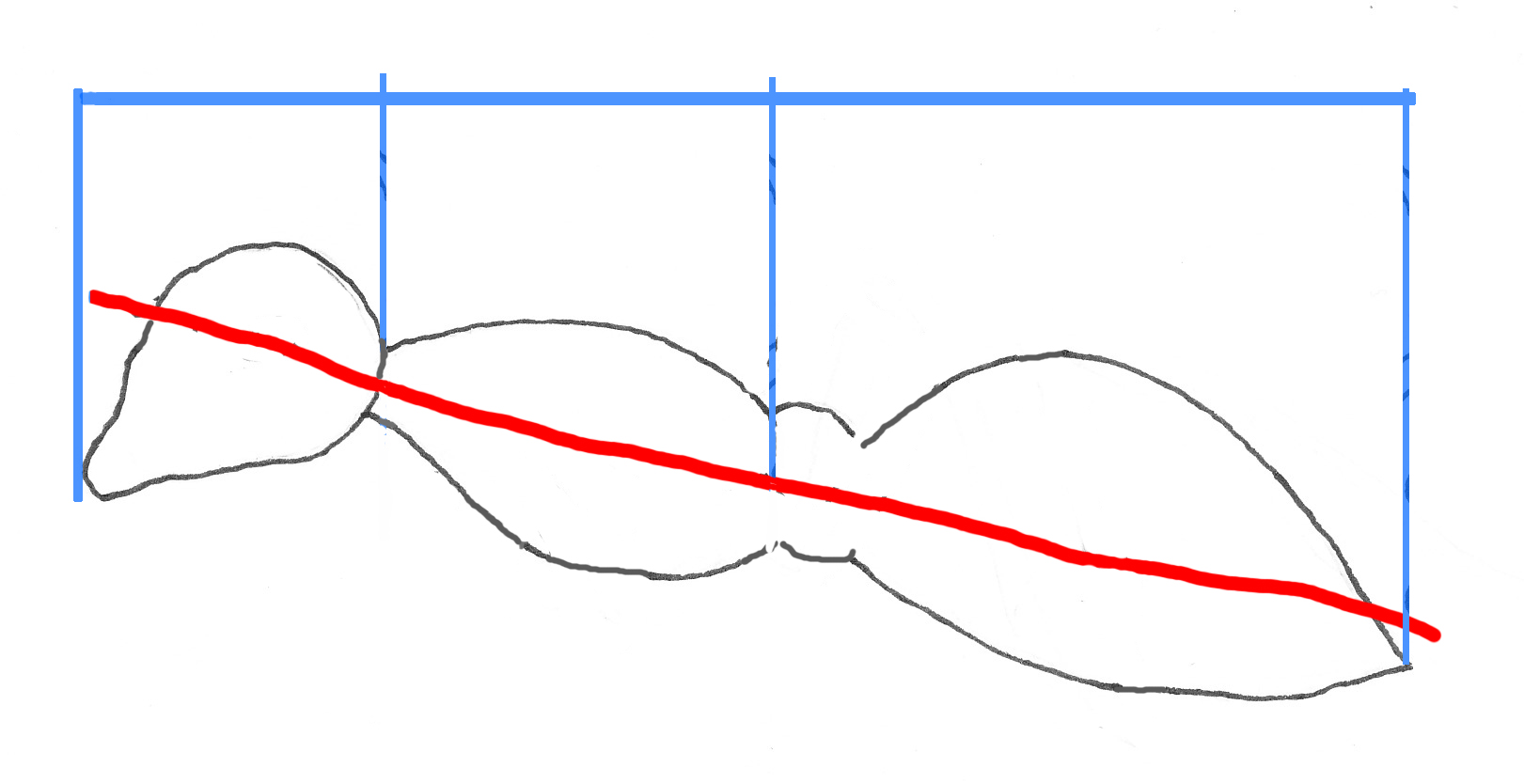
Drawings involving a fair amount of measuring and guidelines are, of course, only possible with animals from an image or photo. However, by practicing this, you will develop an eye for shapes, directions, and proportions in live animals more quickly.
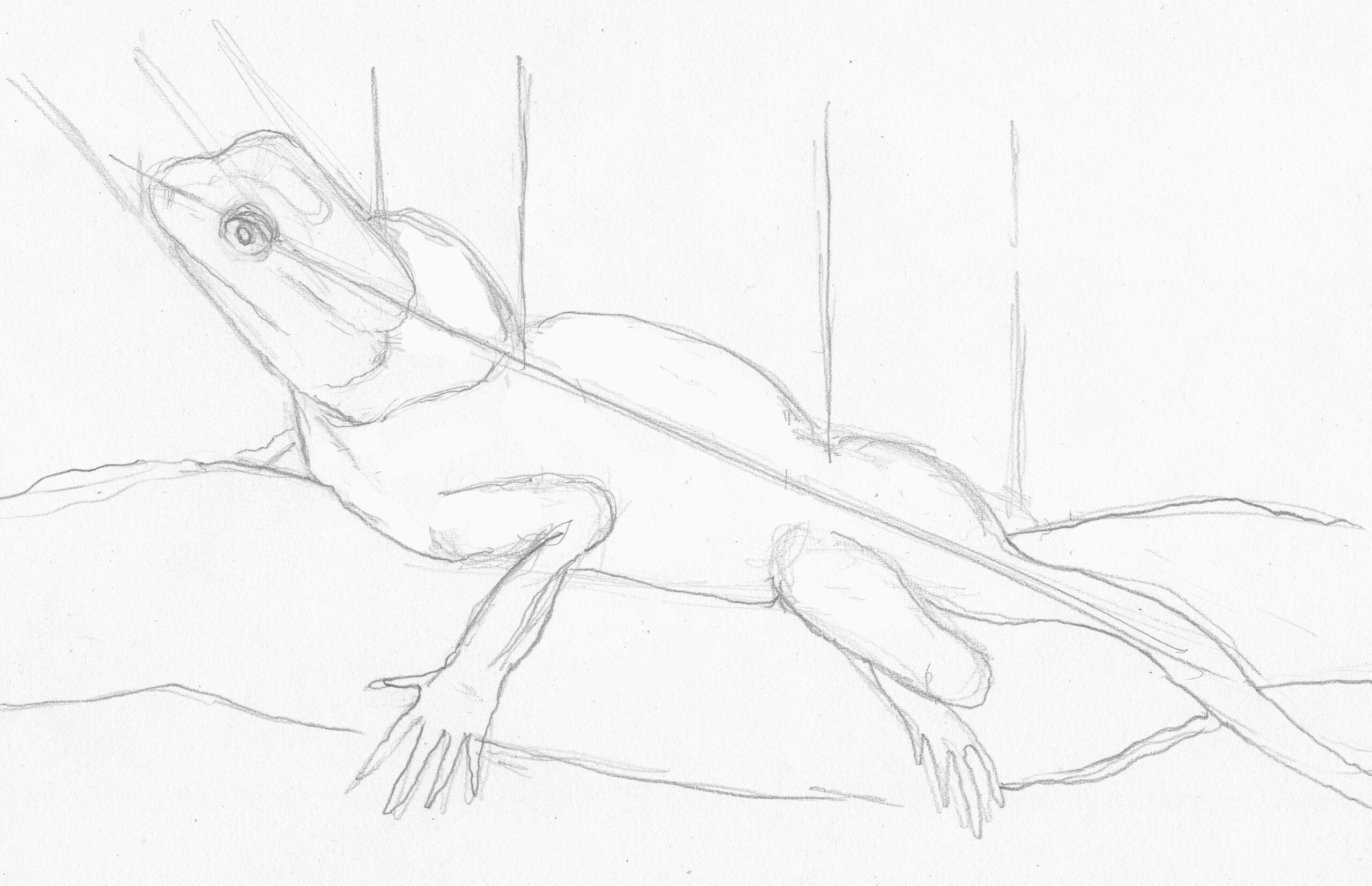
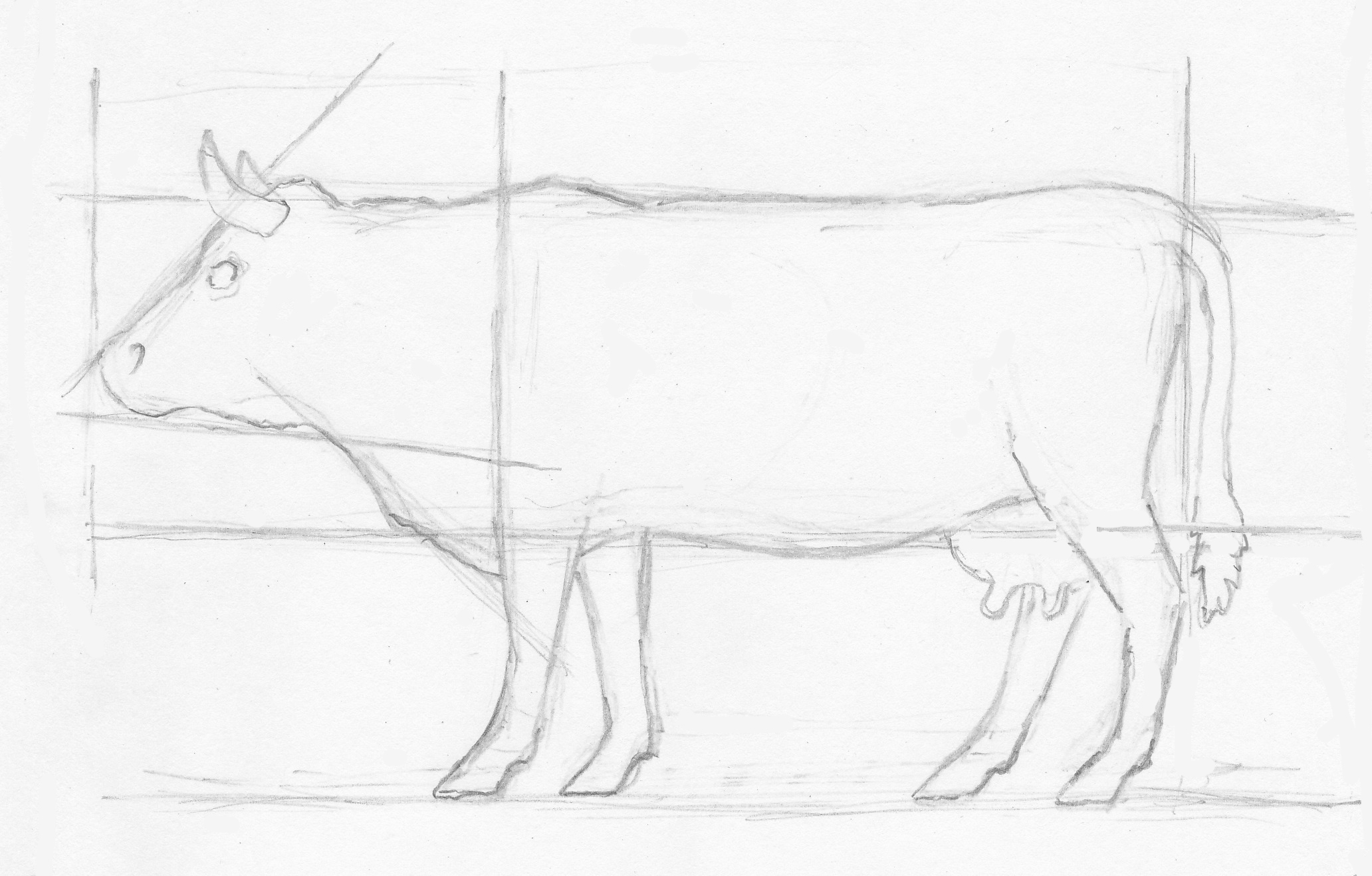
SKETCHING OF LIVE ANIMALS
Perhaps, like me, you enjoy making sketches of live animals, such as a pet or animals in a zoo. It is wonderful to find your own drawing style in this. When animals move, you are forced to sketch more loosely and fluidly. You can, of course, start with sleeping animals. Through sketching, you begin to look at an animal differently than when you only draw from photos or images.
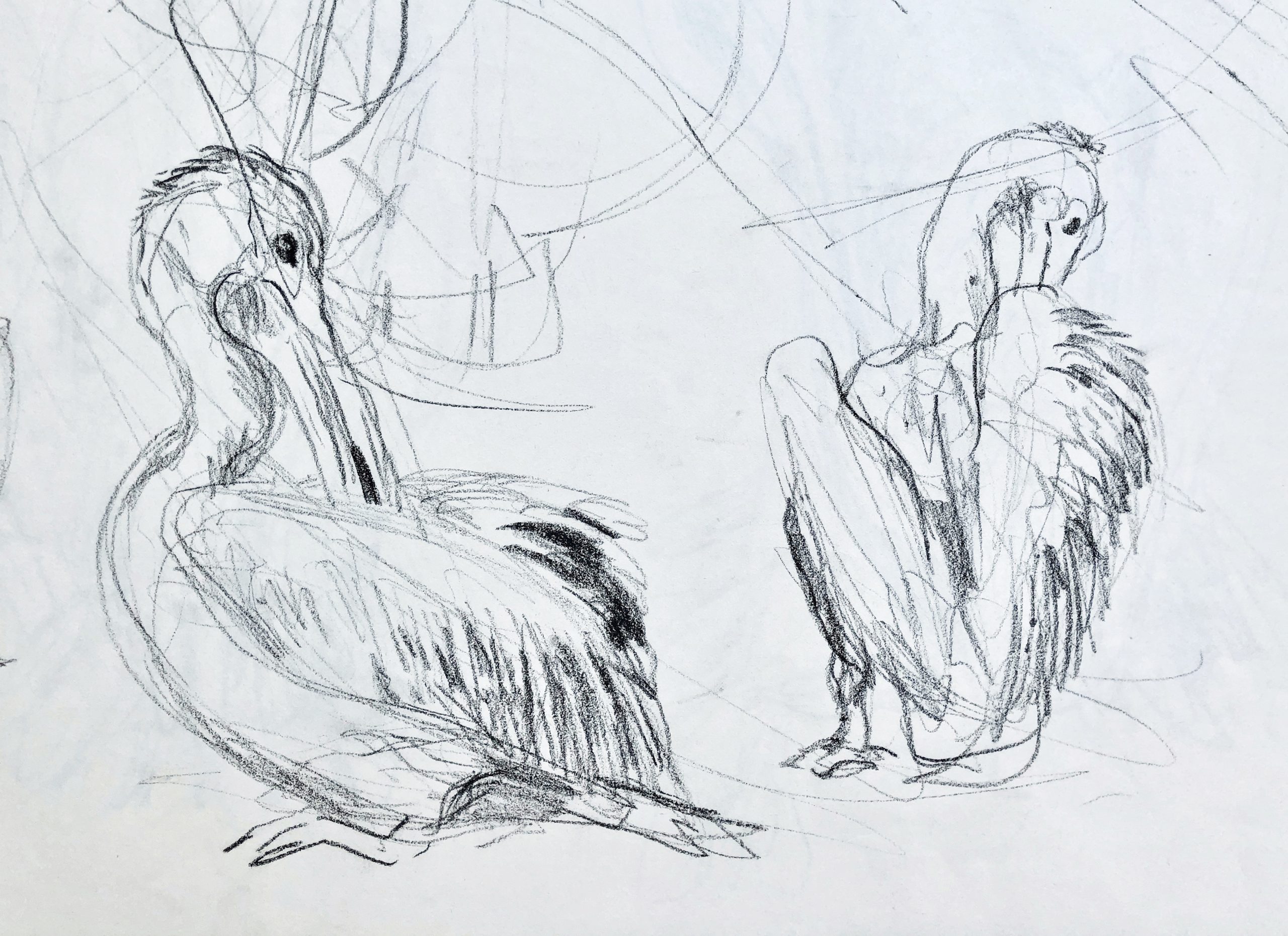
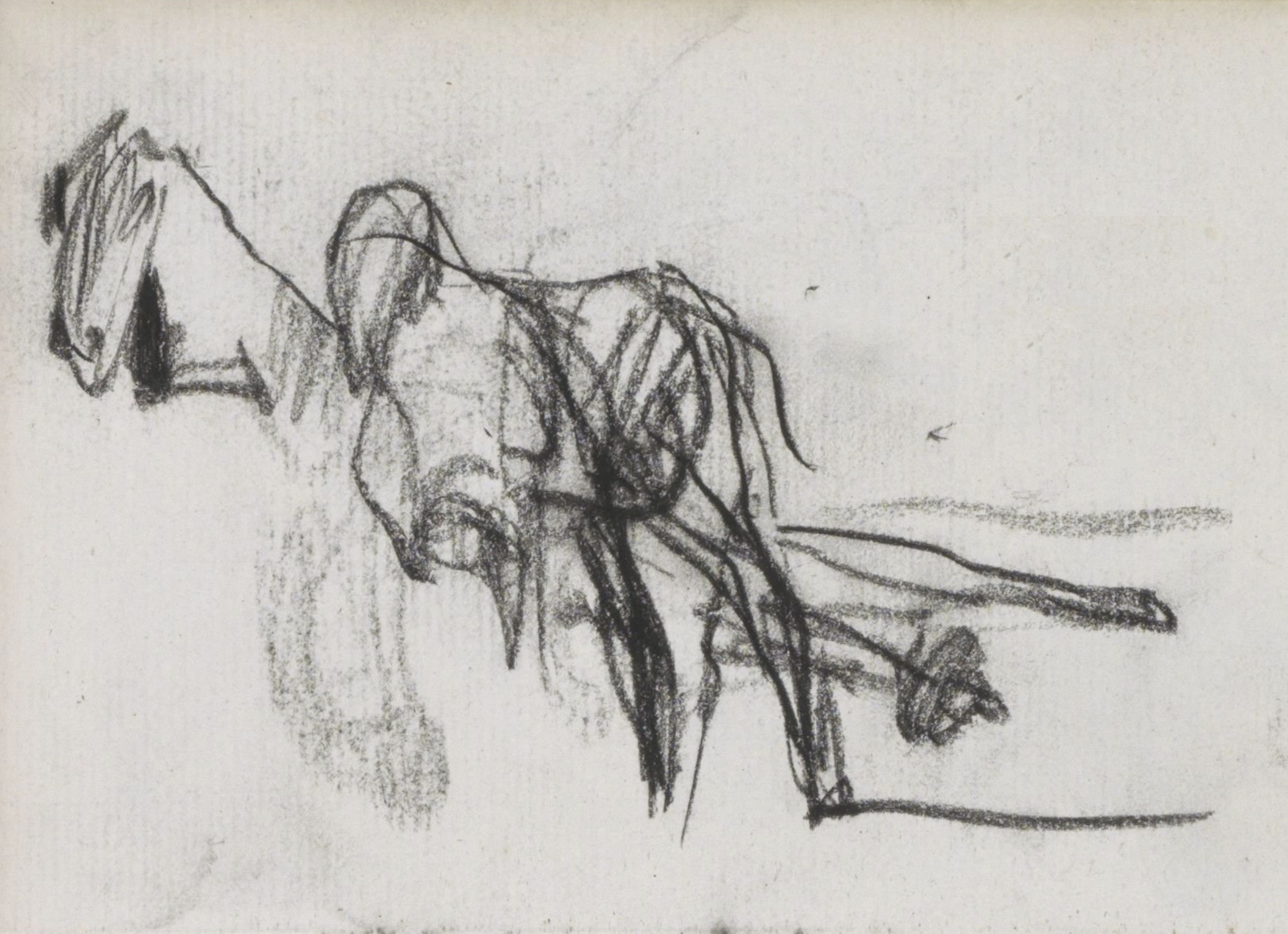
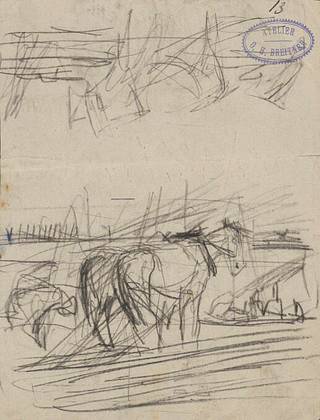
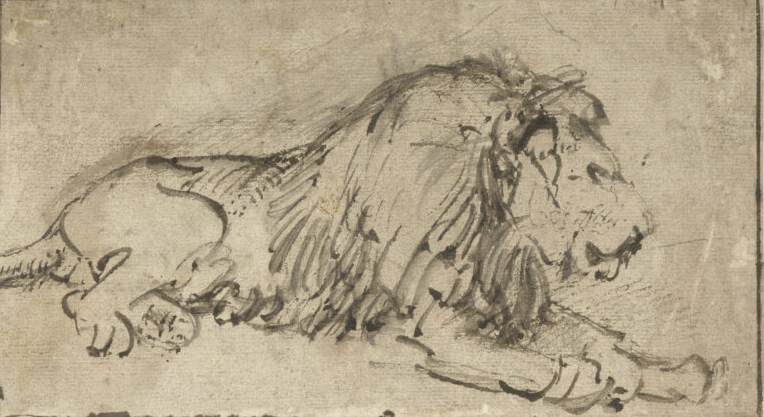
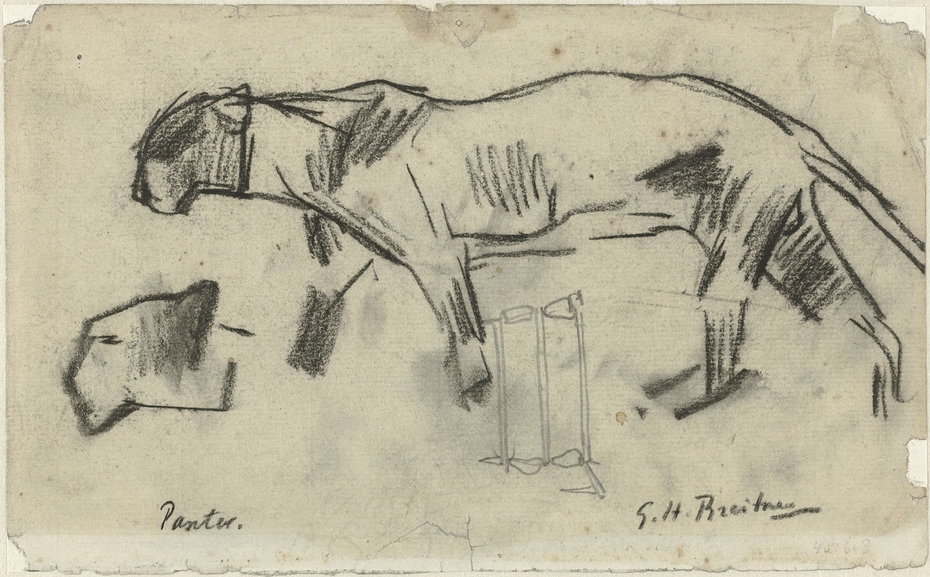
Also famous artists like Rembrandt and Breitner made swift sketches of animals.
BROKEN DRAWING STYLE
Finally, when drawing animals in real life or from pictures, it can be helpful to use the so-called broken drawing style; you first draw (parts of) the animal in loose straight lines, and only then do you create nice curves.
Conclusion: Ready-made methods like the three-step cat may be fun and guarantee success, but it is also good to learn to use your own observational skills and creativity. You can then apply this to other animals in different poses.