Chapter 2 | THE SKIN OF AN ANIMAL
In this chapter, I’ll give you some tips for drawing furry fur, plumage, and scaled skin.
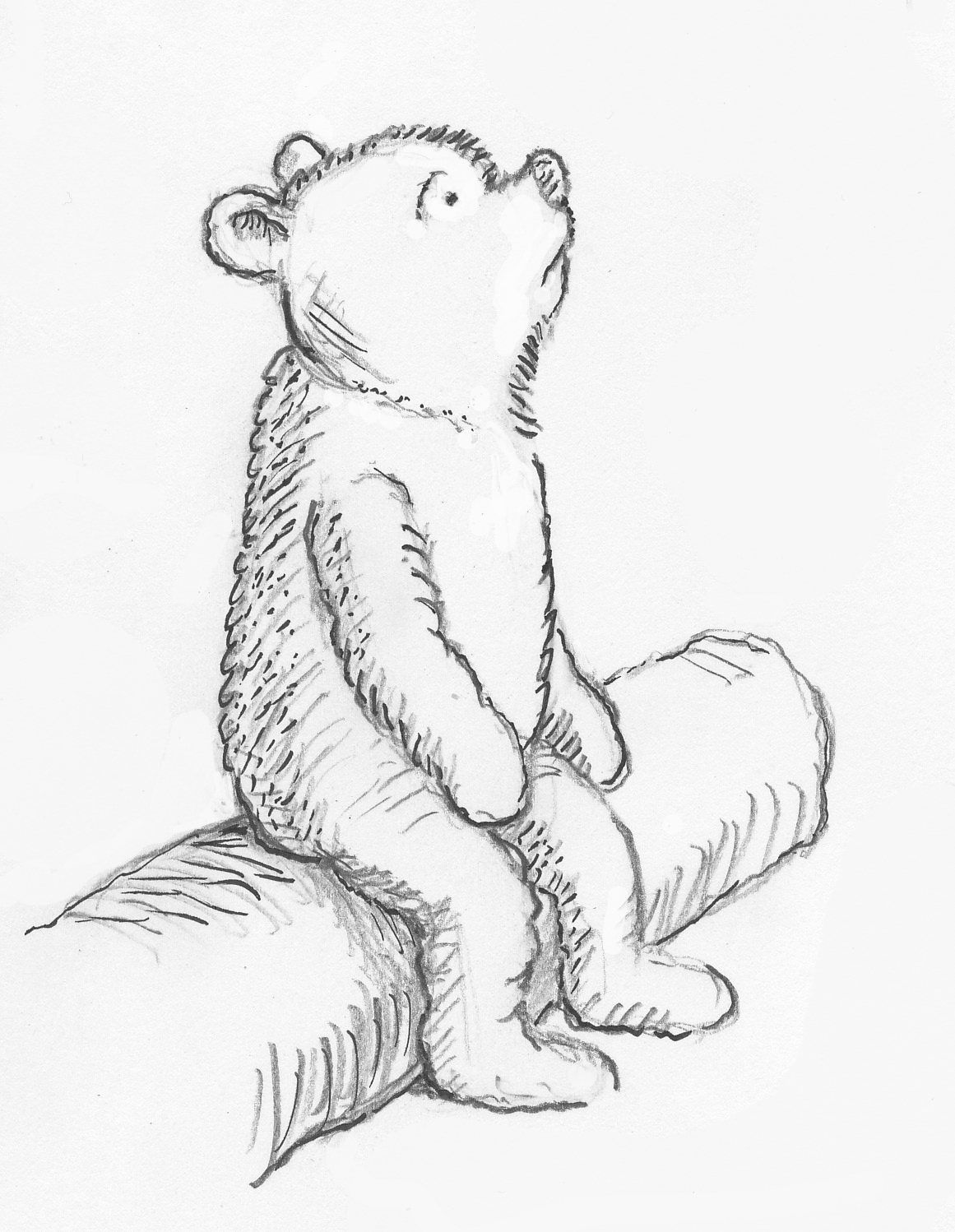
The artist of Winnie the Pooh bear beautifully demonstrates how to draw a furry, woolly coat. It starts with a fuzzy outline, definitely not a straight line. Shading is drawn with fine hatching, from tiny lines to dots. This can also be done very well with a fine liner or pen and ink.
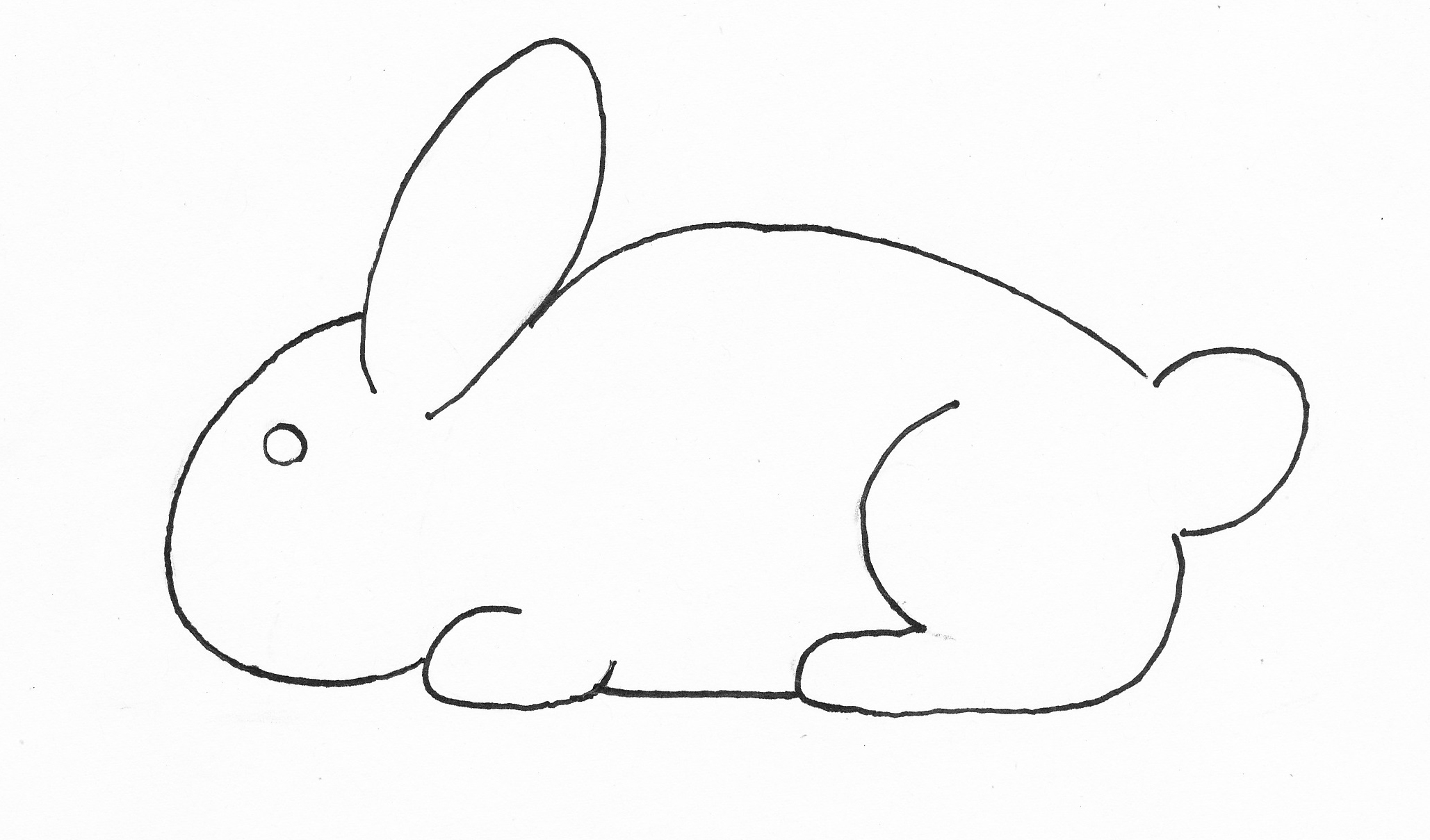
Exercise 1: Try to make this tightly drawn rabbit very woolly.
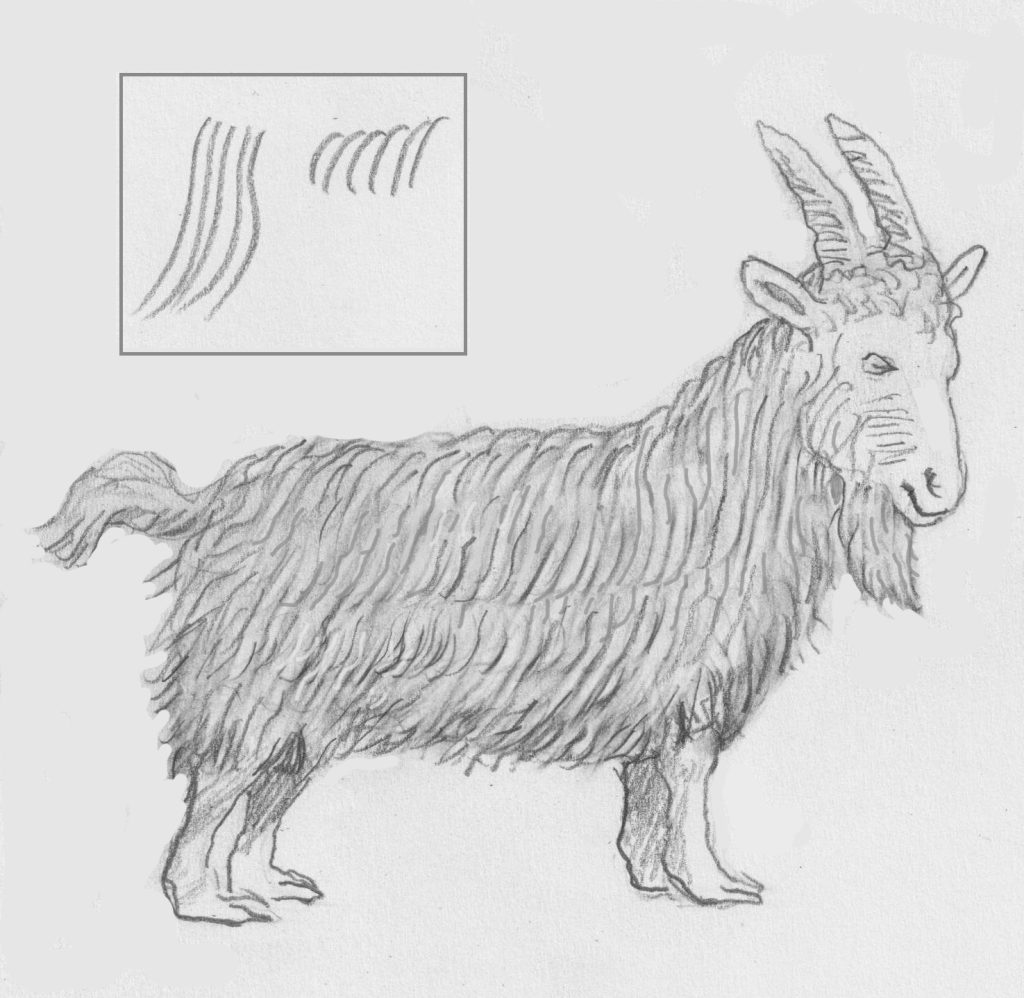
You can completely cover an animal with a thick coat. I have chosen this goat as an example. In a small box in the top left, you can see which lines were used. Beyond that, it is a matter of experimenting with alternating light and dark, not too tight, and not exactly the same everywhere.
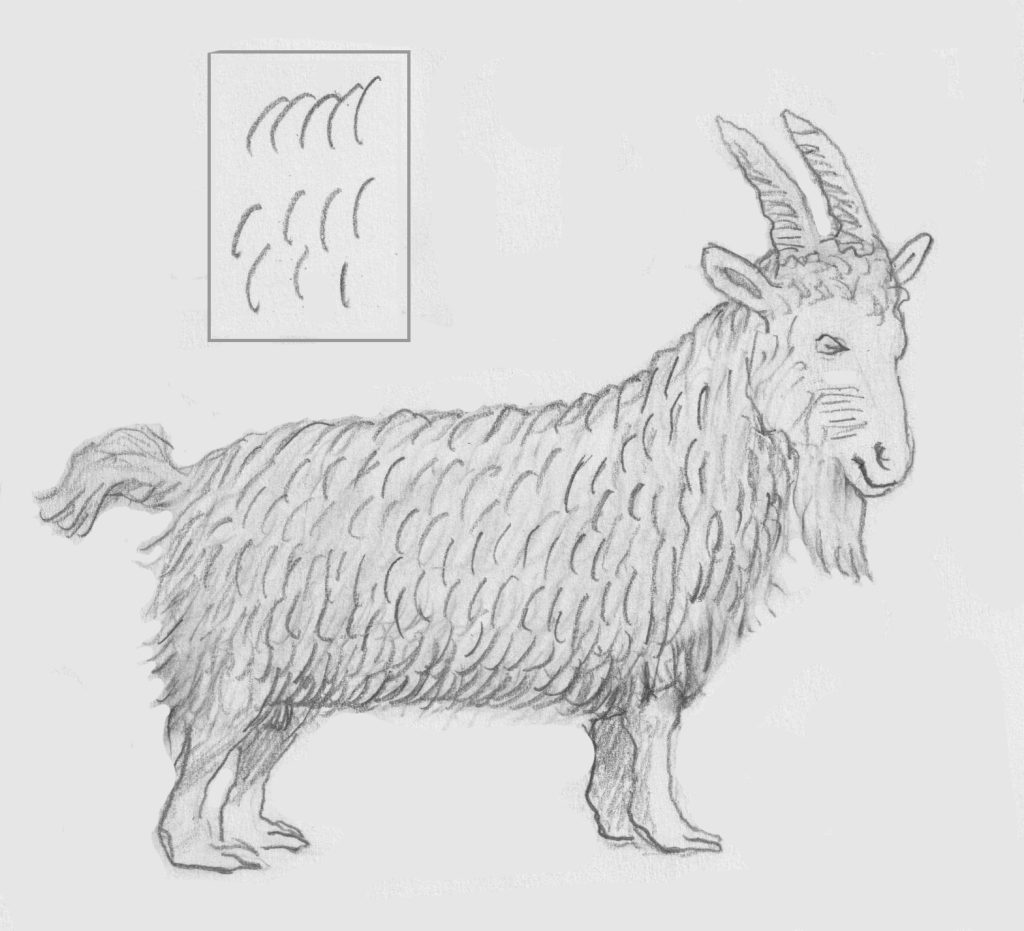
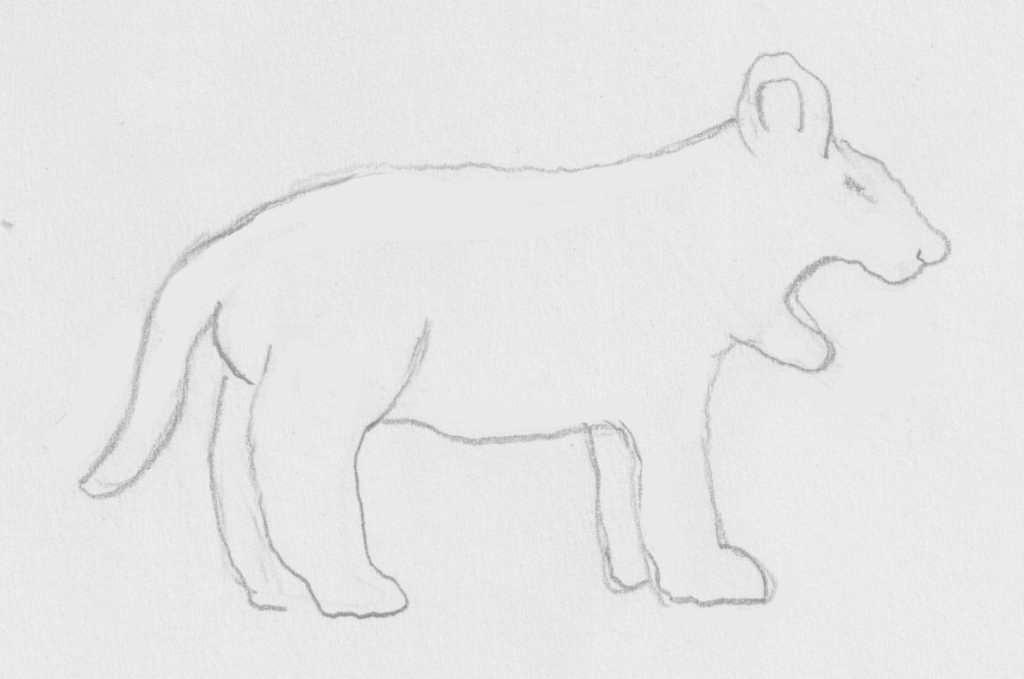
Exercise 2: This animal is cold. Give it a nice coat (you can print out the image if you like).
2. PLUMAGE
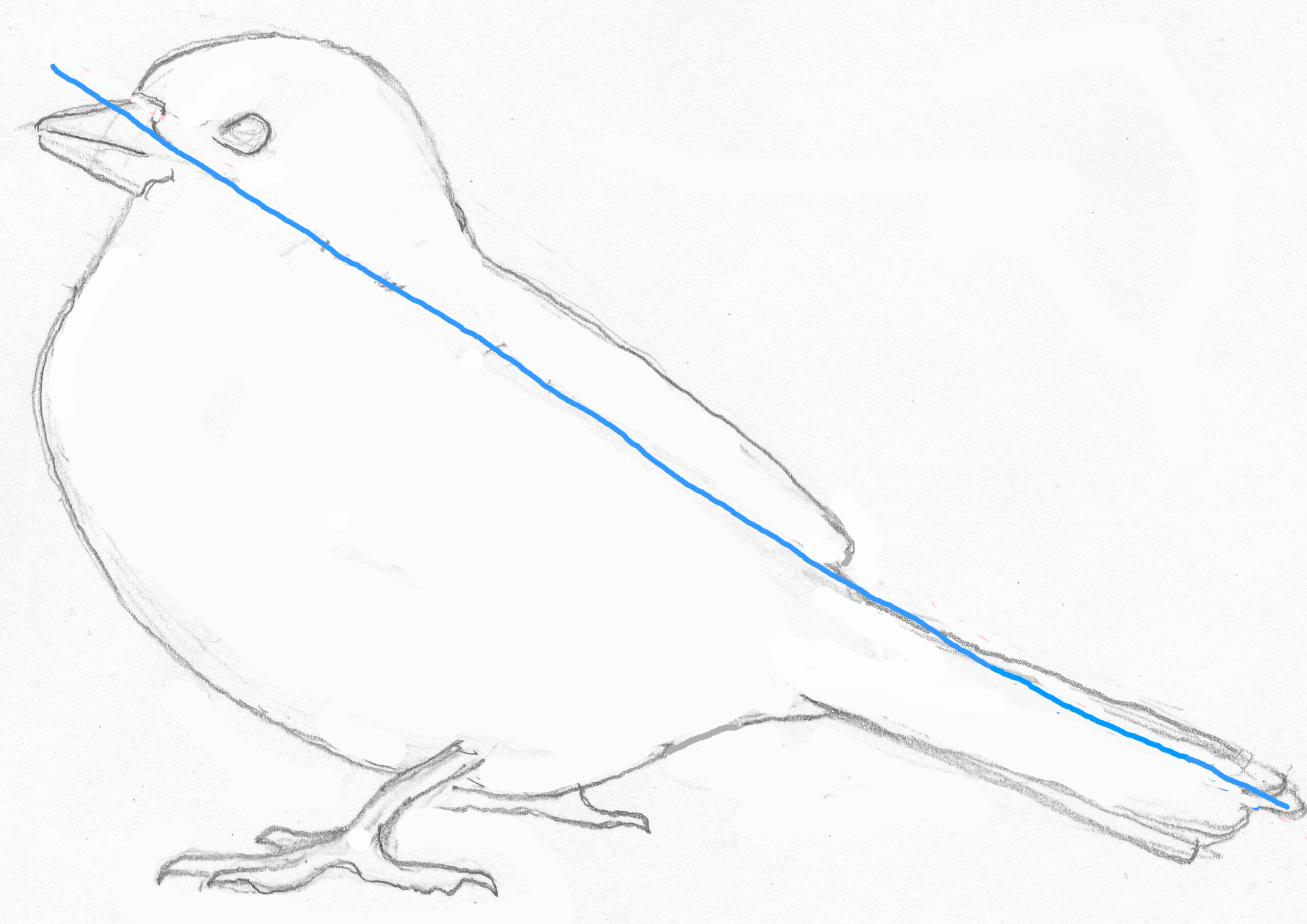
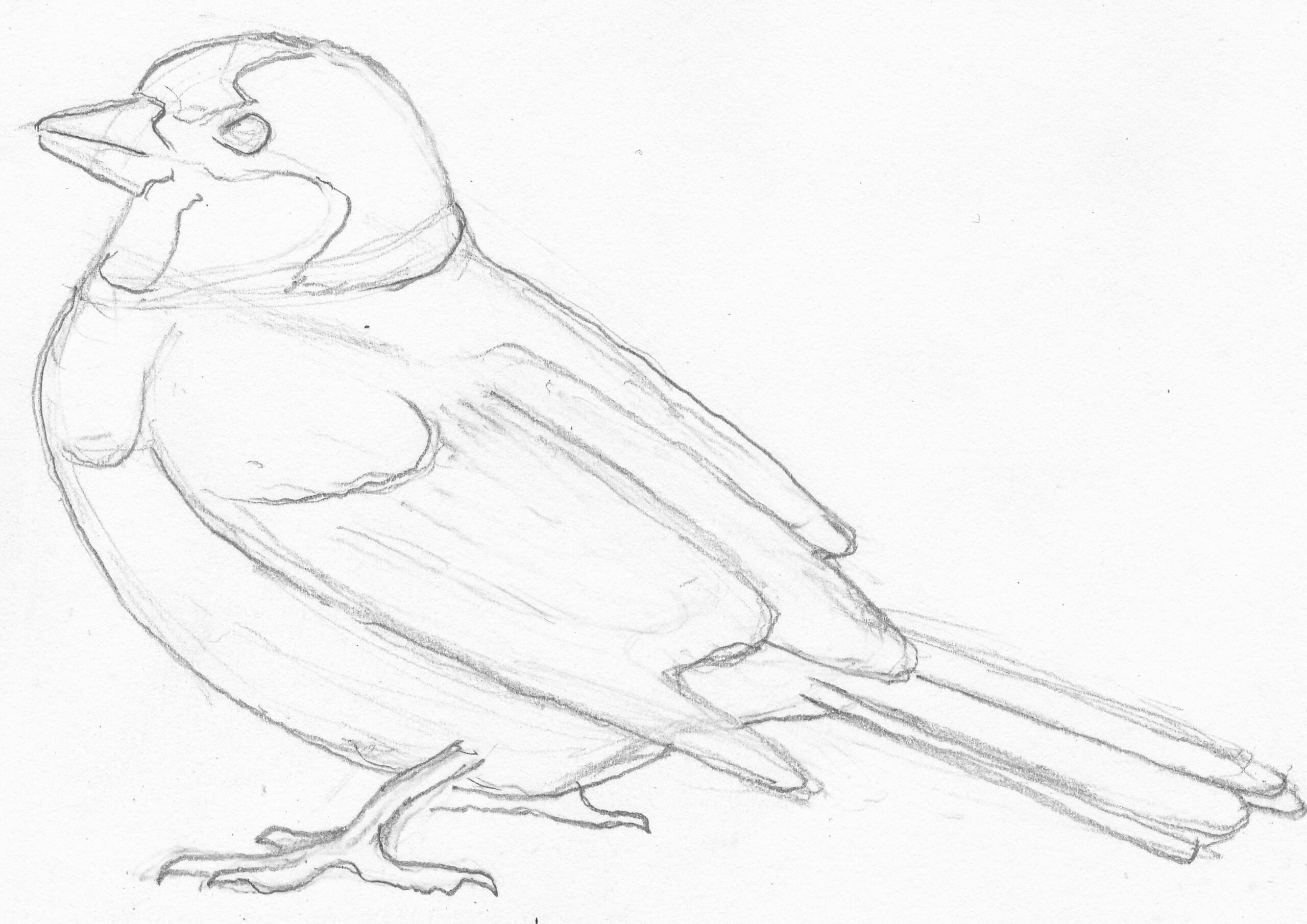
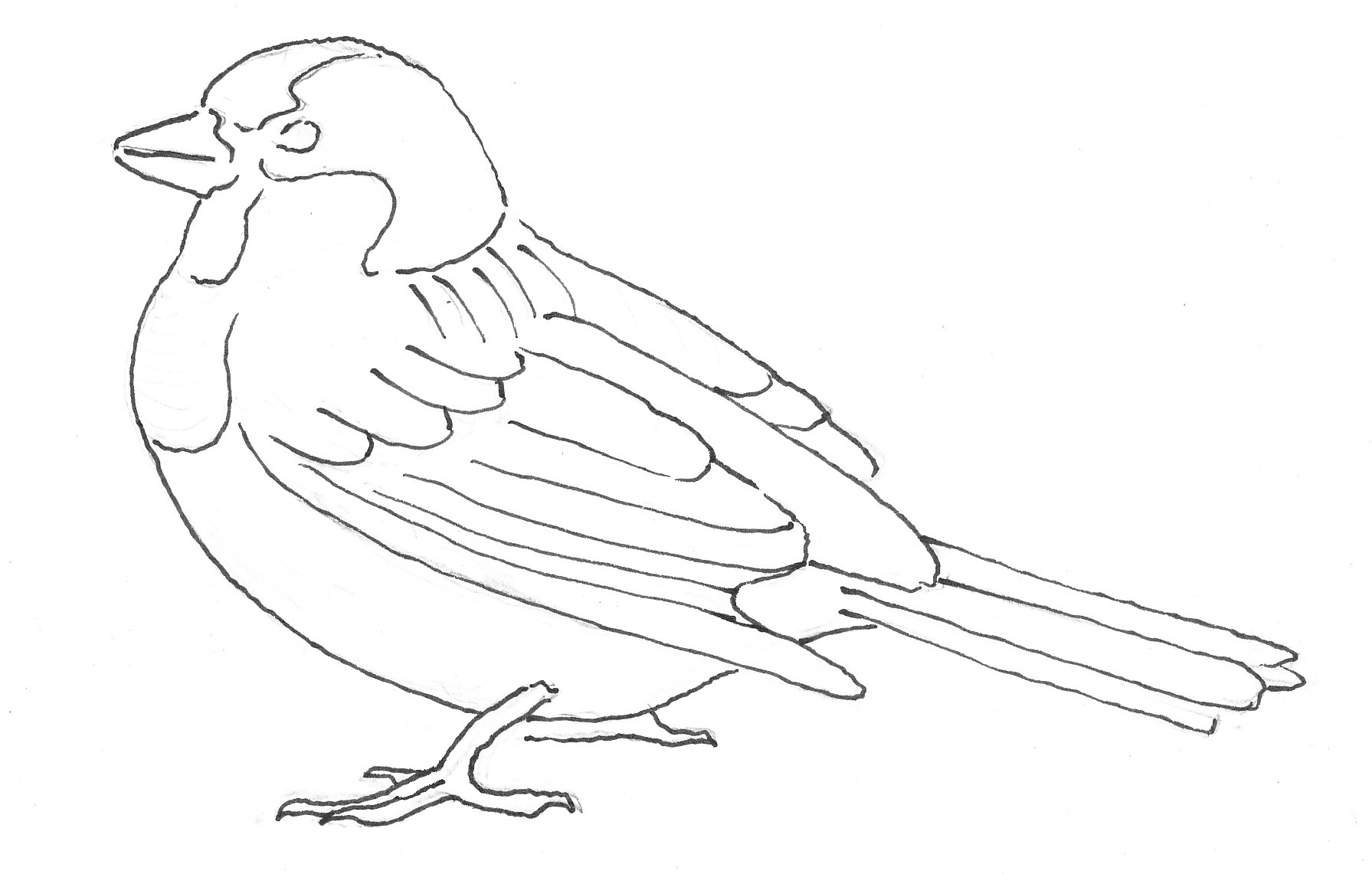
I drew a house sparrow with folded wings in three steps: step 1 was the outline (left) with an assisting line. I had to pay special attention to the slanted position and the place of the legs. Step 2 was drawing planes such as the shape of the wing and the planes in the head (center). Step 3 was drawing in the feathers (right). See also the Wings lesson (level 1).
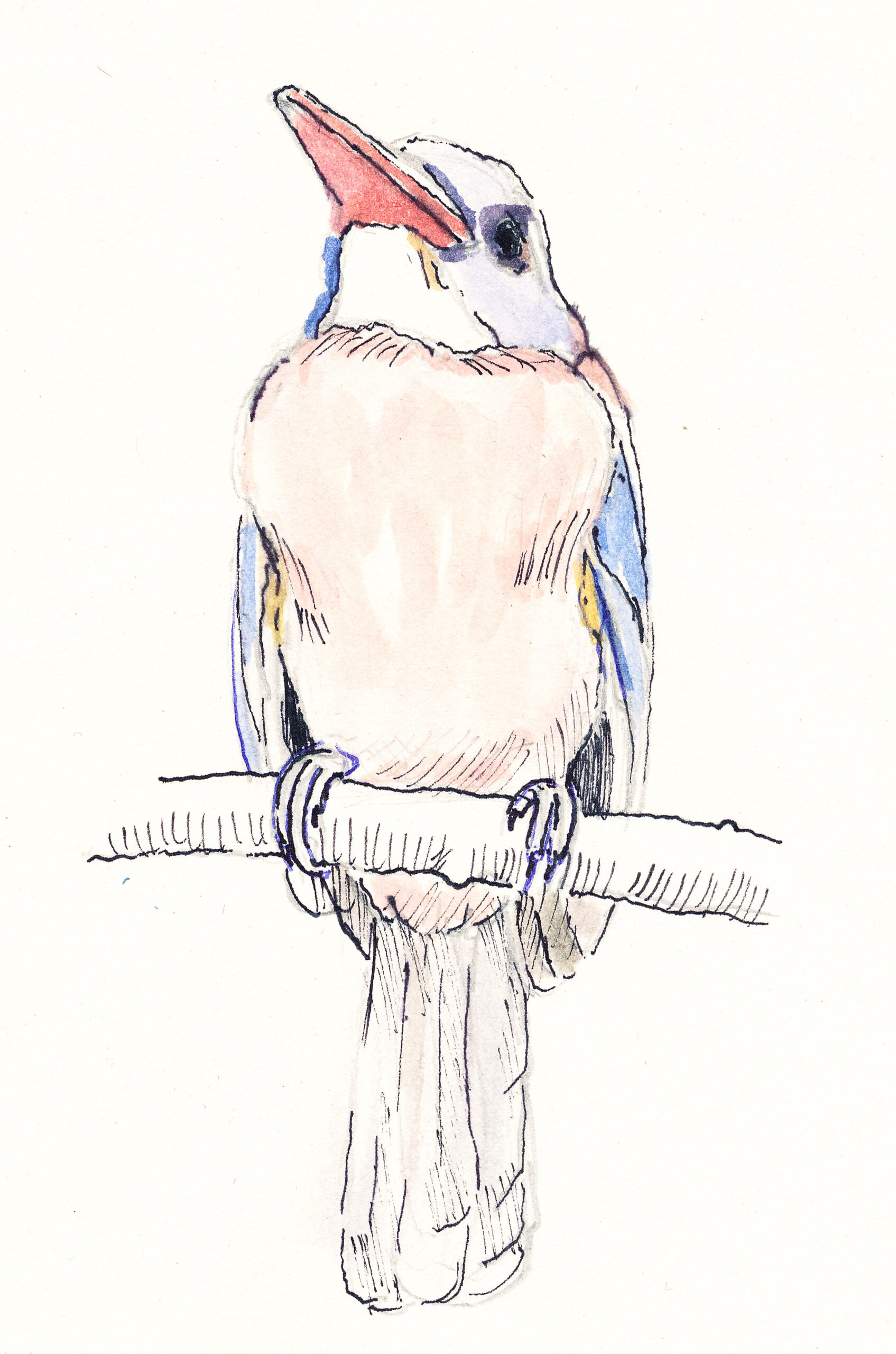
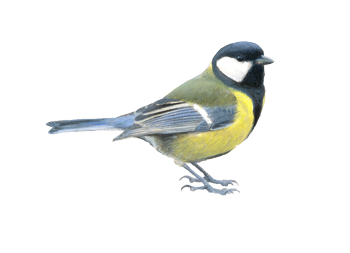
Exercise 2: Draw this great tit in the same way, now with the colors added.
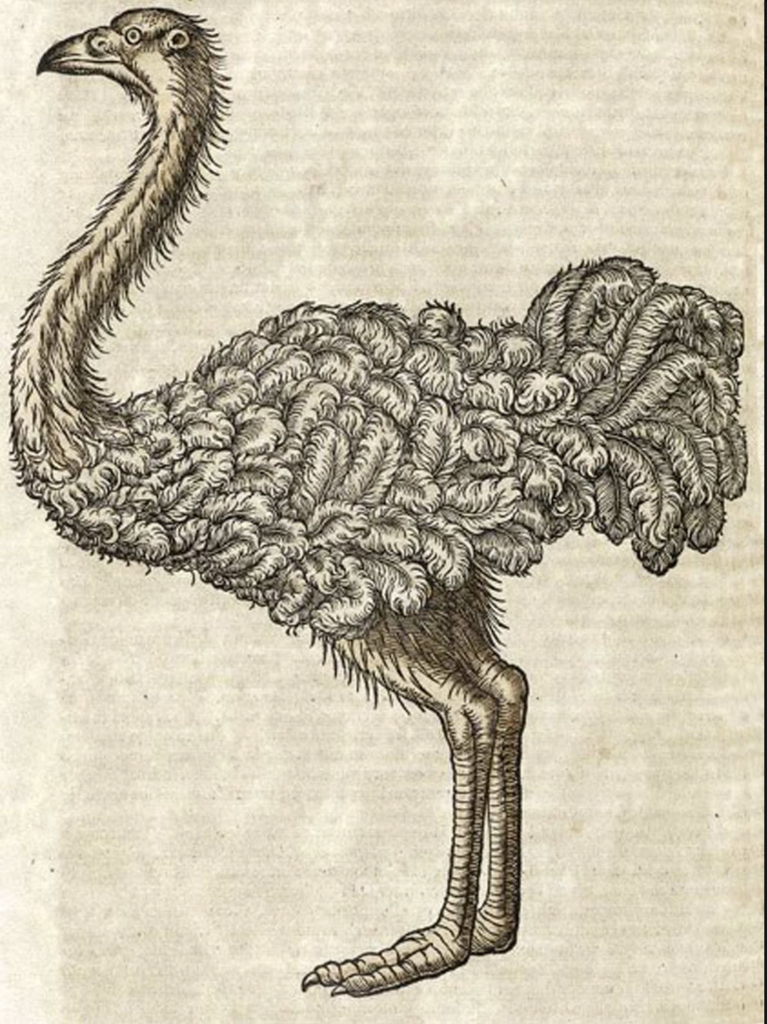
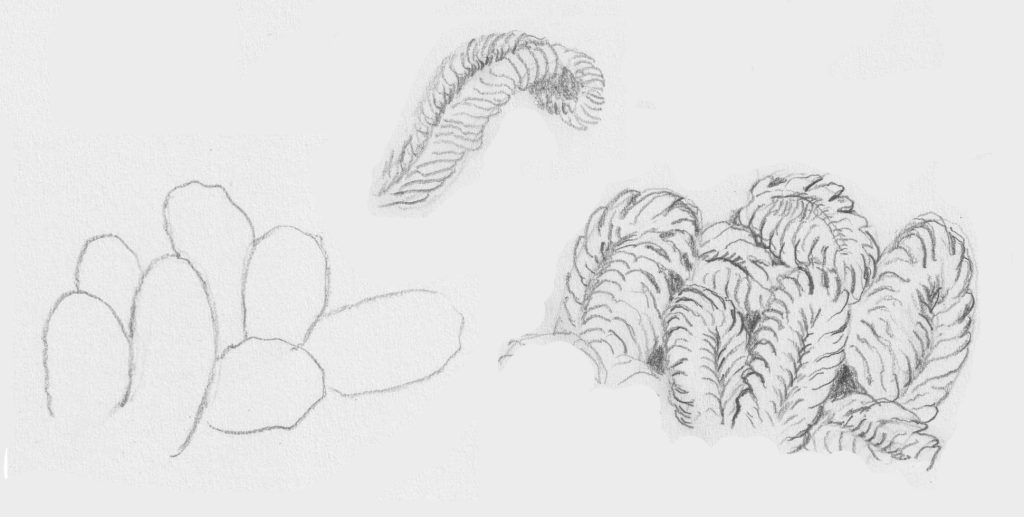
On this ostrich the feathers are drawn in great detail and plastically, one by one.
To draw something so complex, it is helpful to simplify the shapes first (left).
3. SCALY SKIN
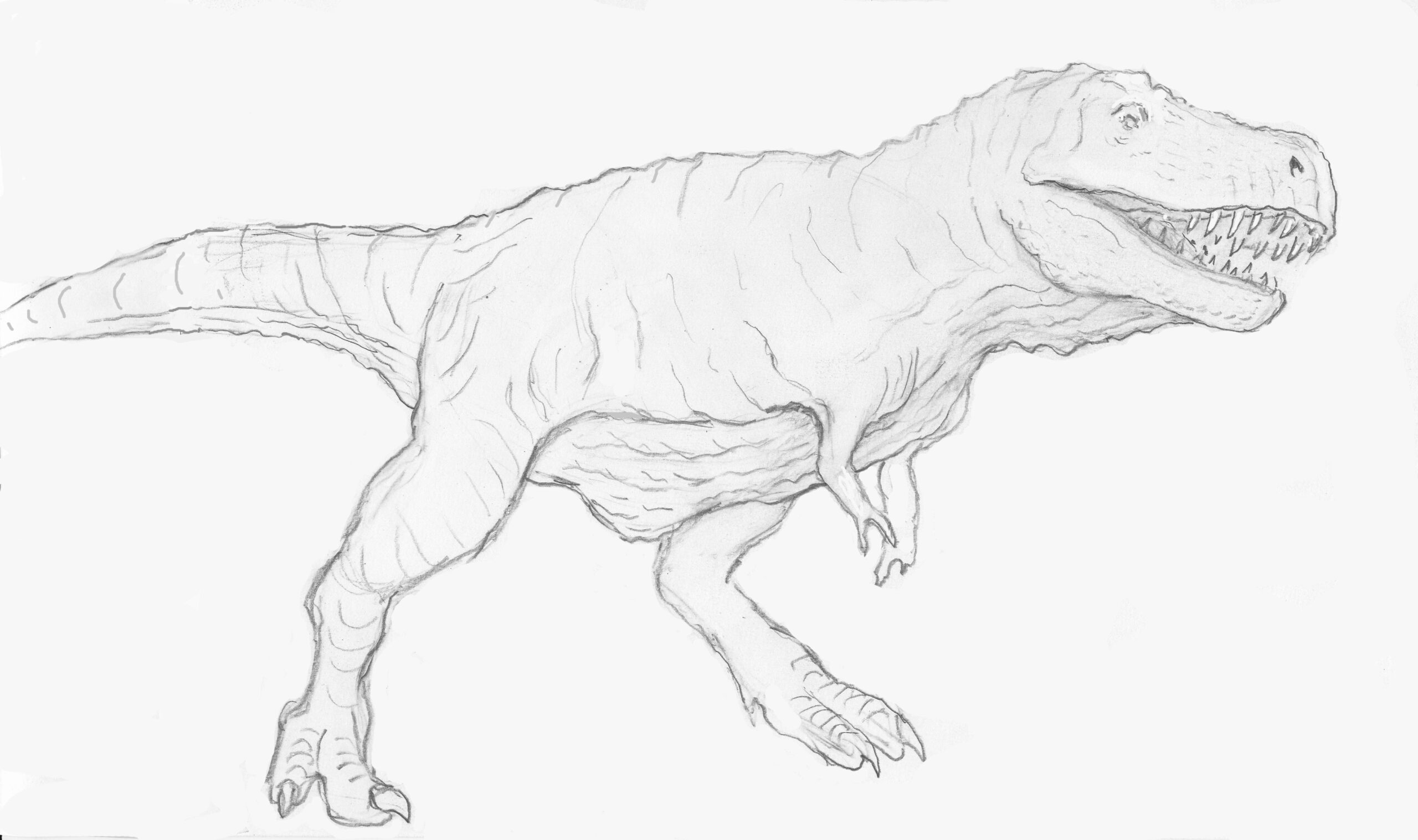
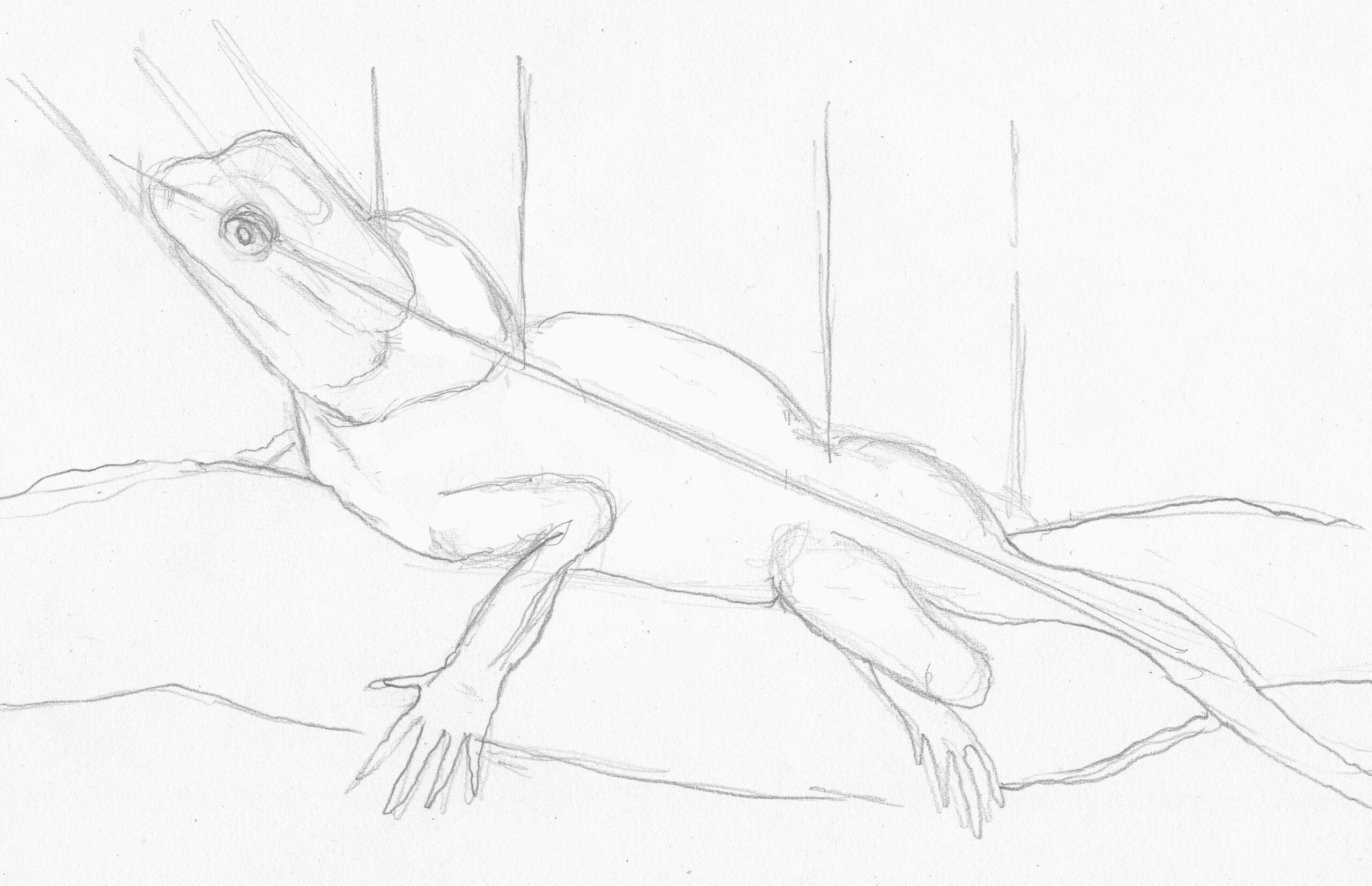
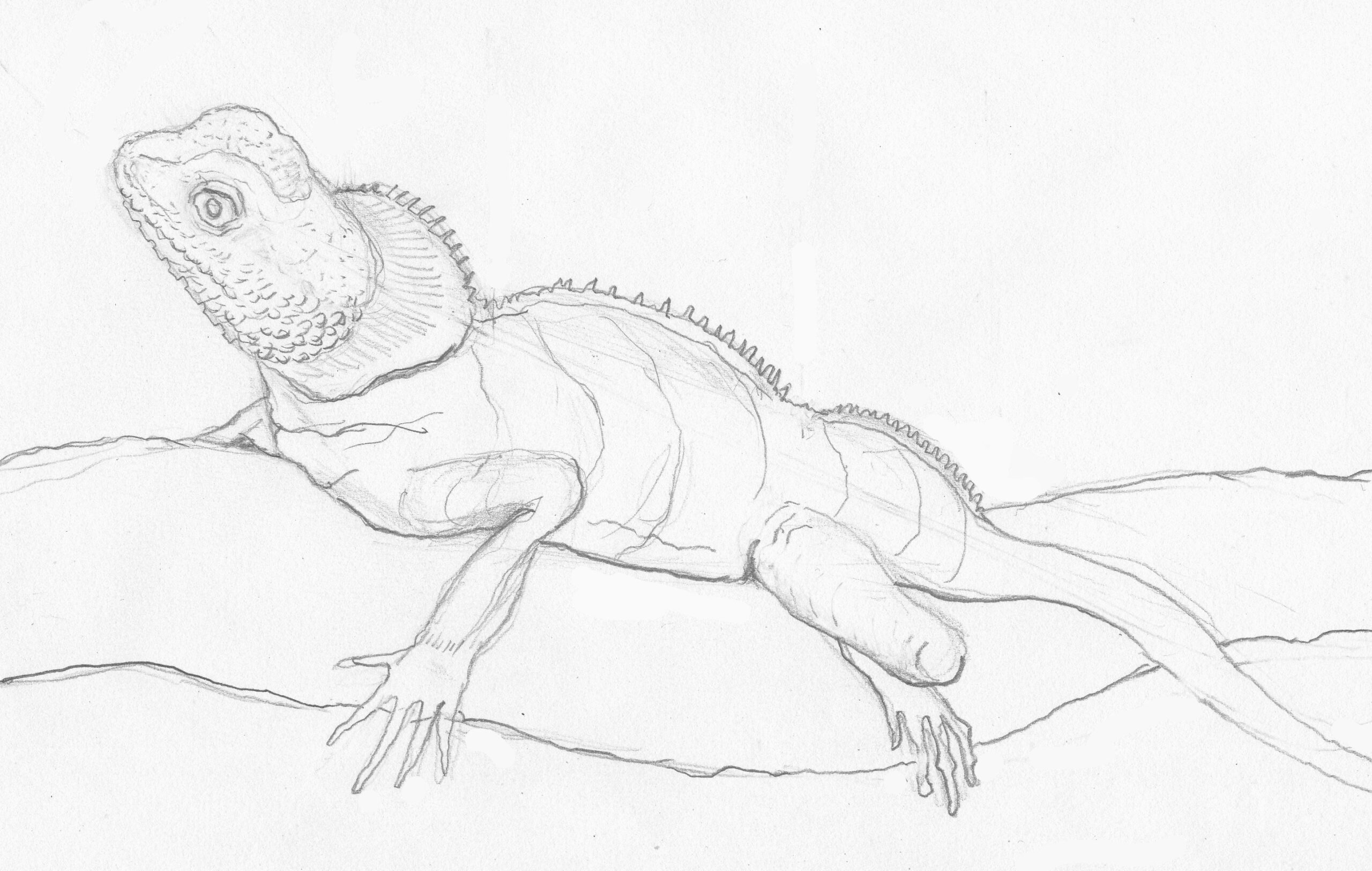
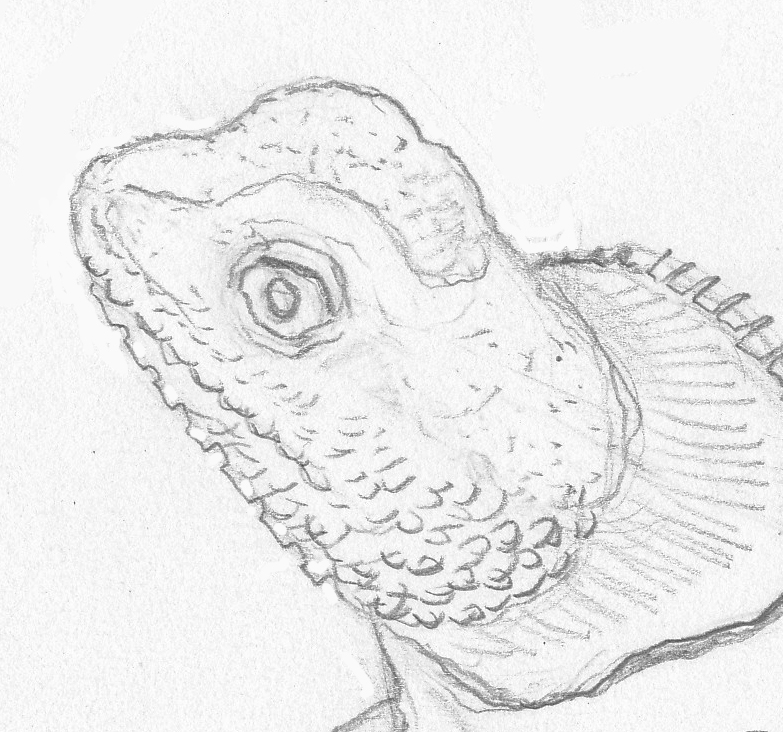
The skin of reptiles like this lizard has the most wondrous ribbed structures. It is impossible (at least for me) to reproduce it exactly, but I can give the suggestion of scales using fine light and dark hatching. Also, take a look at the lines that indicate the curvature of the body.
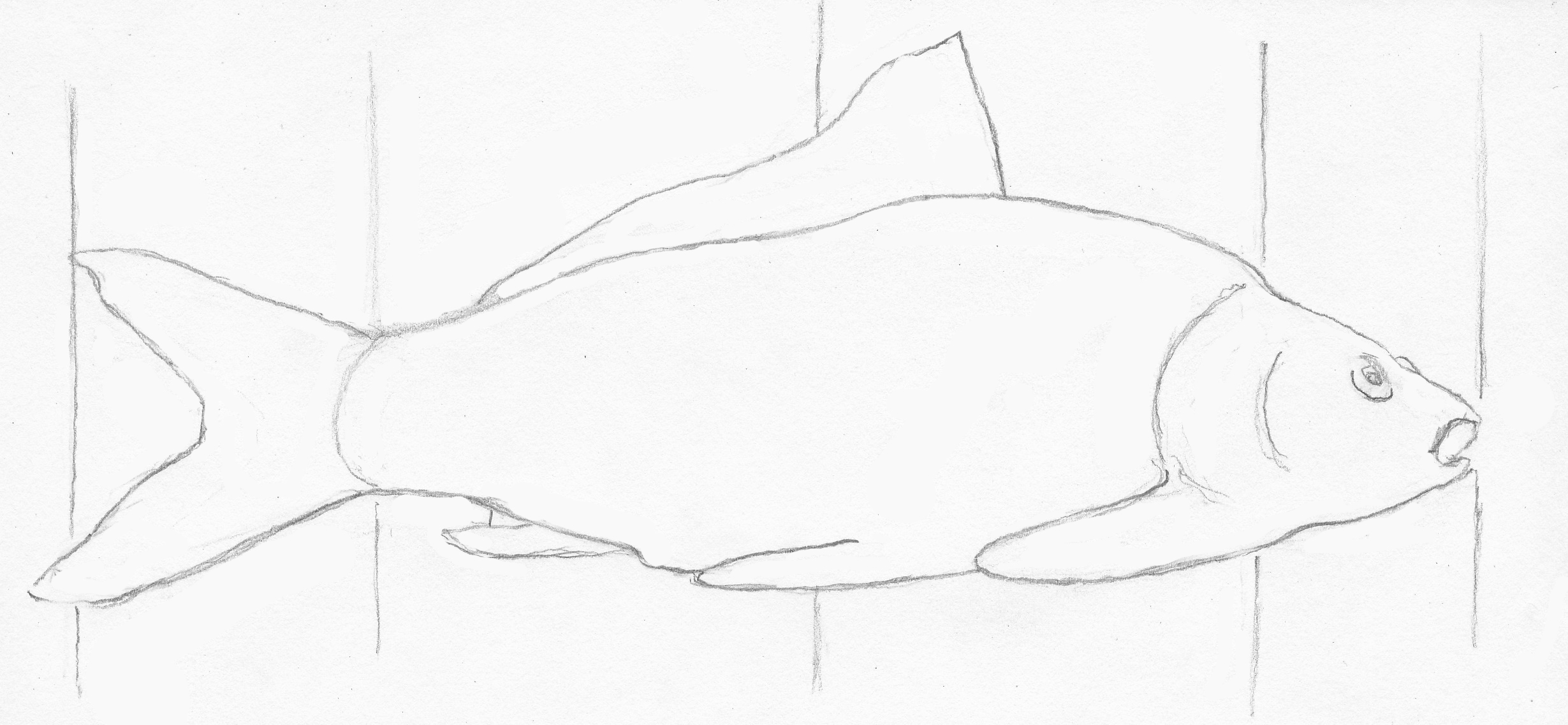
Many fish also have scaled skin. With this carp, I started with the outline of the animal and used guidelines for the middle and for the proportions between head, body, and tail. Without those guidelines, I easily make mistakes with the proportions.
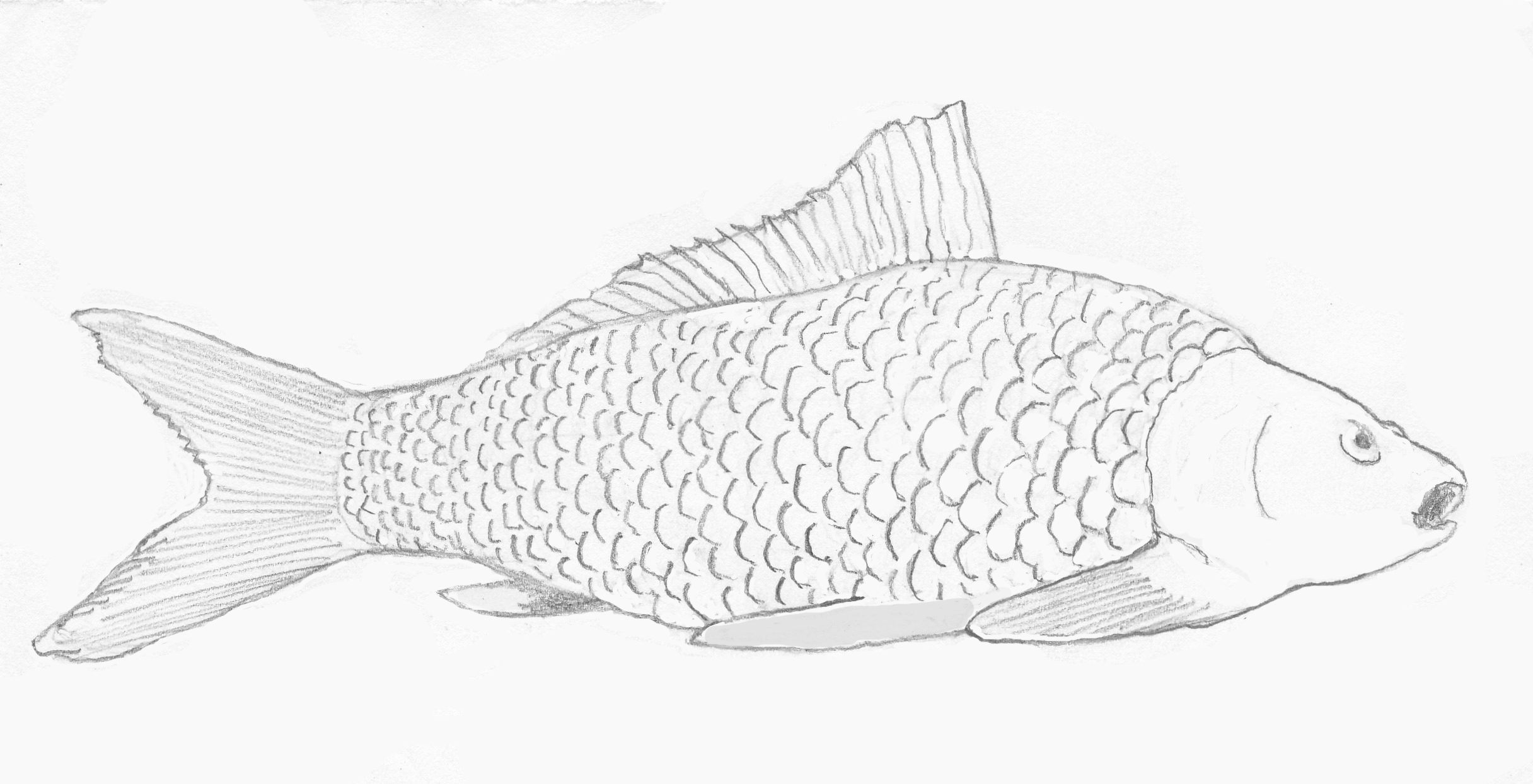
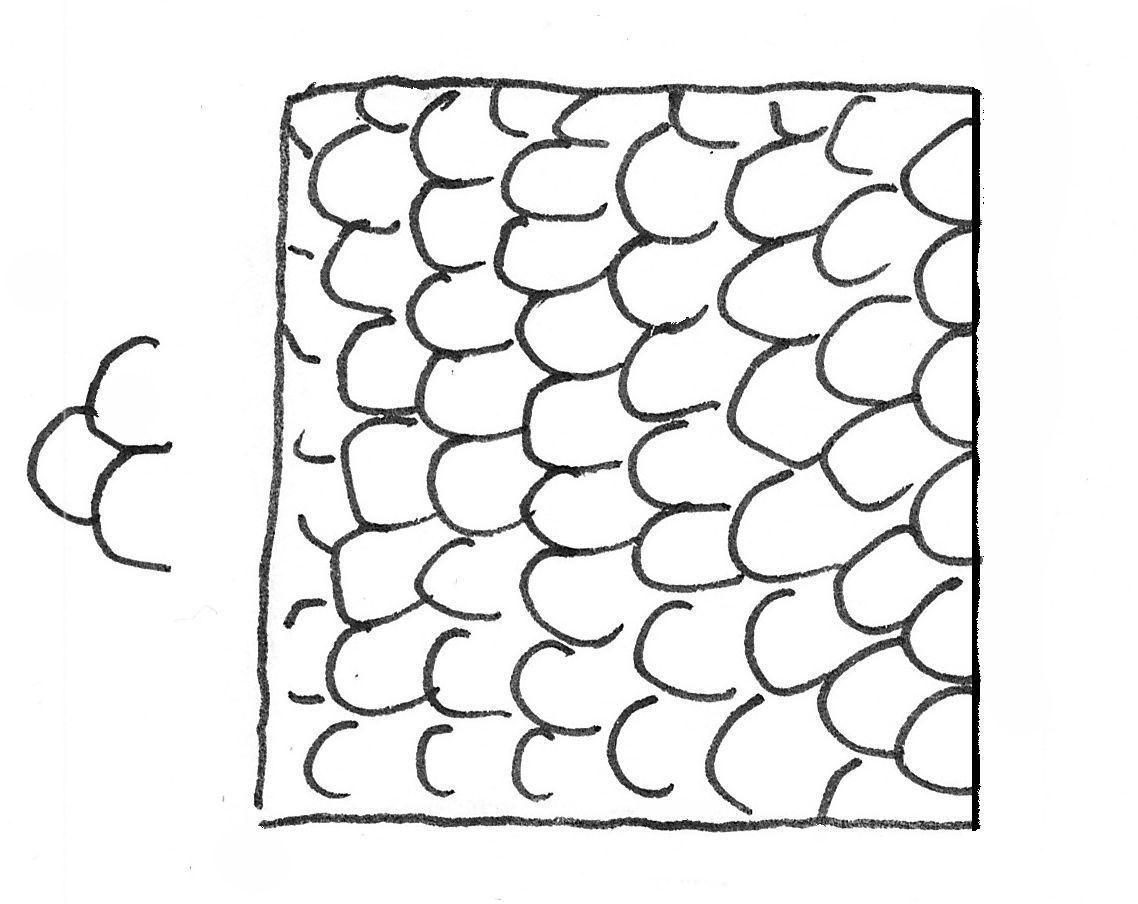
For the scales, I used this structure from the lesson Tail-eaters, Chapter 1, Level 1. I do make them follow the curve of the body.
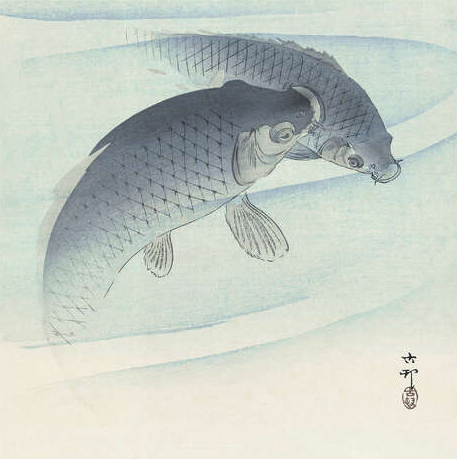
Beautiful examples of drawn fish can be found in Japanese prints such as these Koi carp by Ohara Koson (1877-1945).
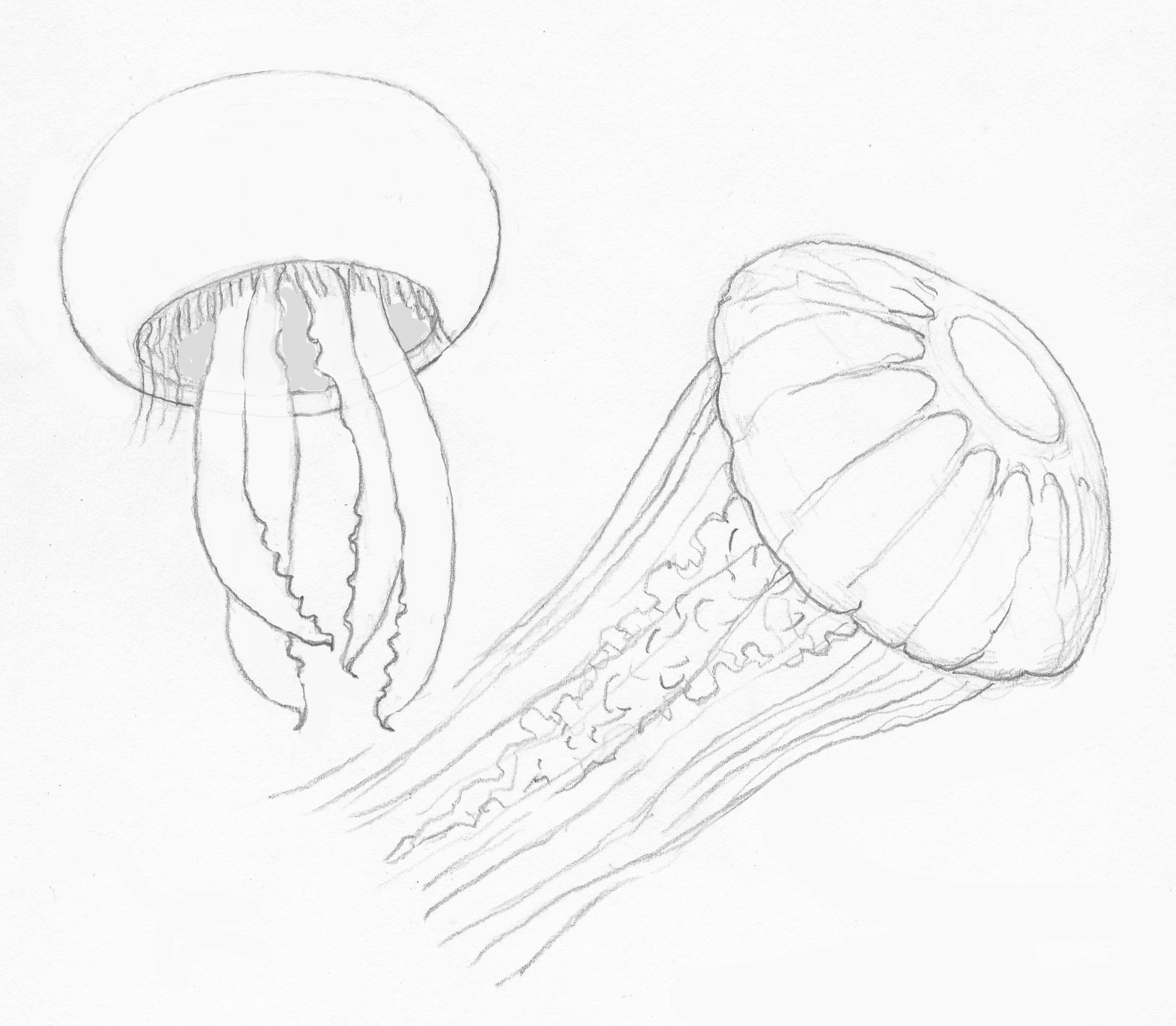
Almost the opposite of a furry coat, spines, feathers or scales is the semi-transparent skin of jellyfish. For these astonishing animals you can very well use ovals (see the lesson ‘The versatile oval’, level 2).
And now get away as fast as you can from that fearsome T-Rex predator!