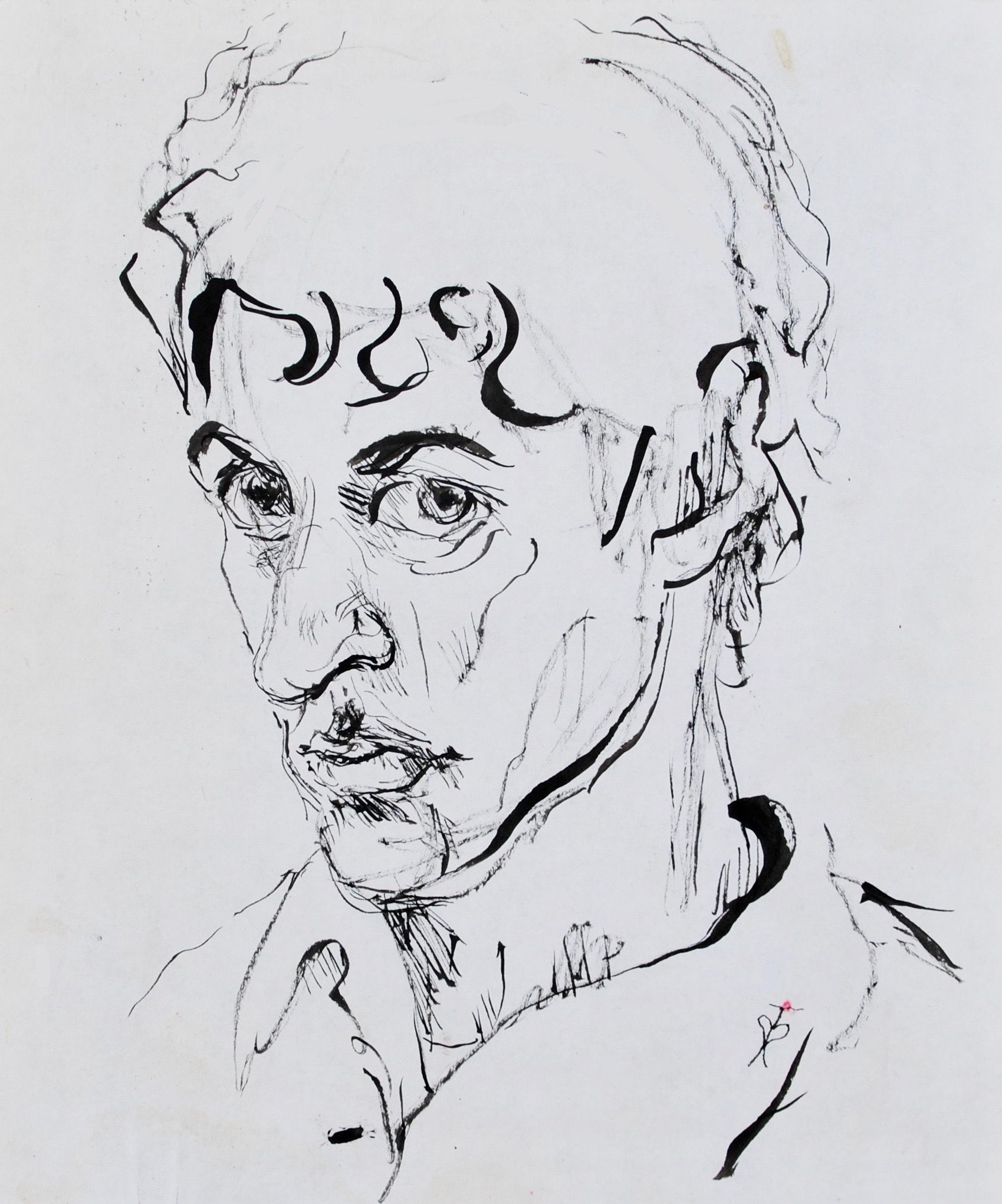
Chapter 5 | IS IT ME?
There are many ways to draw or paint (self-)portraits. Artists often only find their own style after years. It is good to first experience that a drawing or painting is something completely different from a photograph, taken in a fraction of a second. In the following exercises, you can experience this using yourself as a model. Materials needed: a mirror, a 2B pencil and paper (for example A4 or A3).
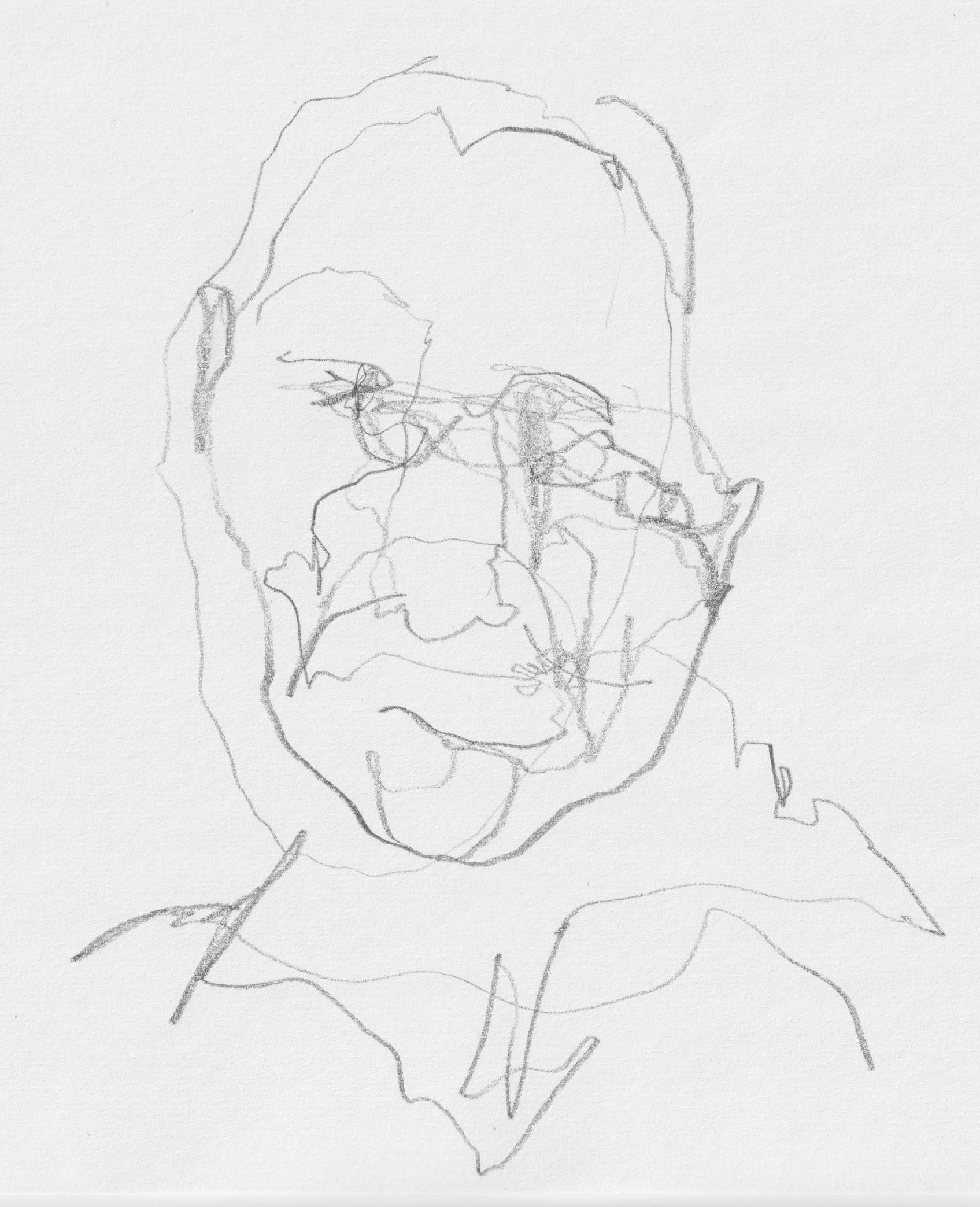
Exercise 1: Draw your mirror image without looking at your paper in between. Hold your pencil further away from the tip. Keep your pencil remains as much as possible in contact with the paper while drawing, as if you are touching every detail of your face. The result is guaranteed to be a surprise and certainly not a glamour portrait. The beauty of it is that you are hidden within the drawing, even though it doesn’t look photographic at all.
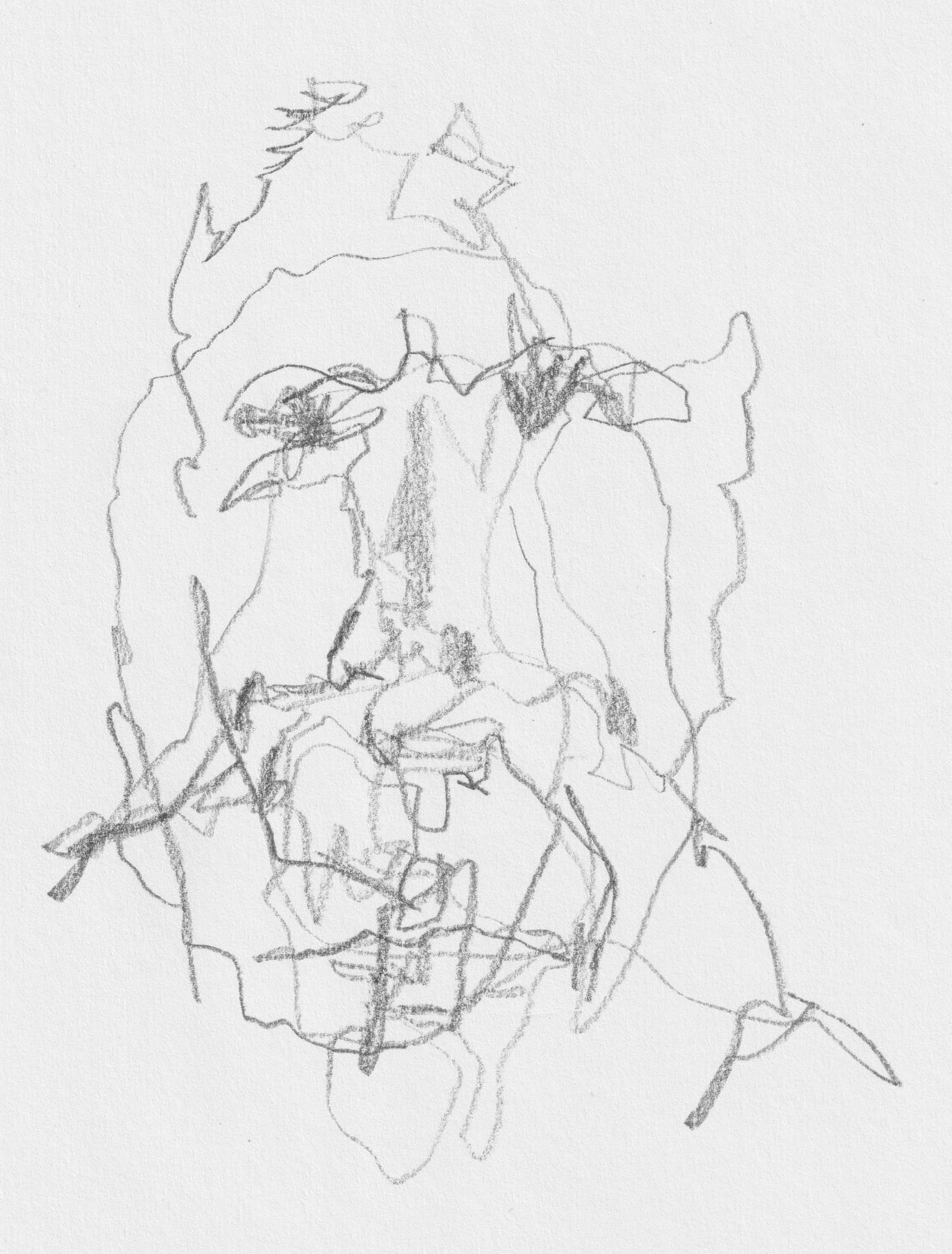
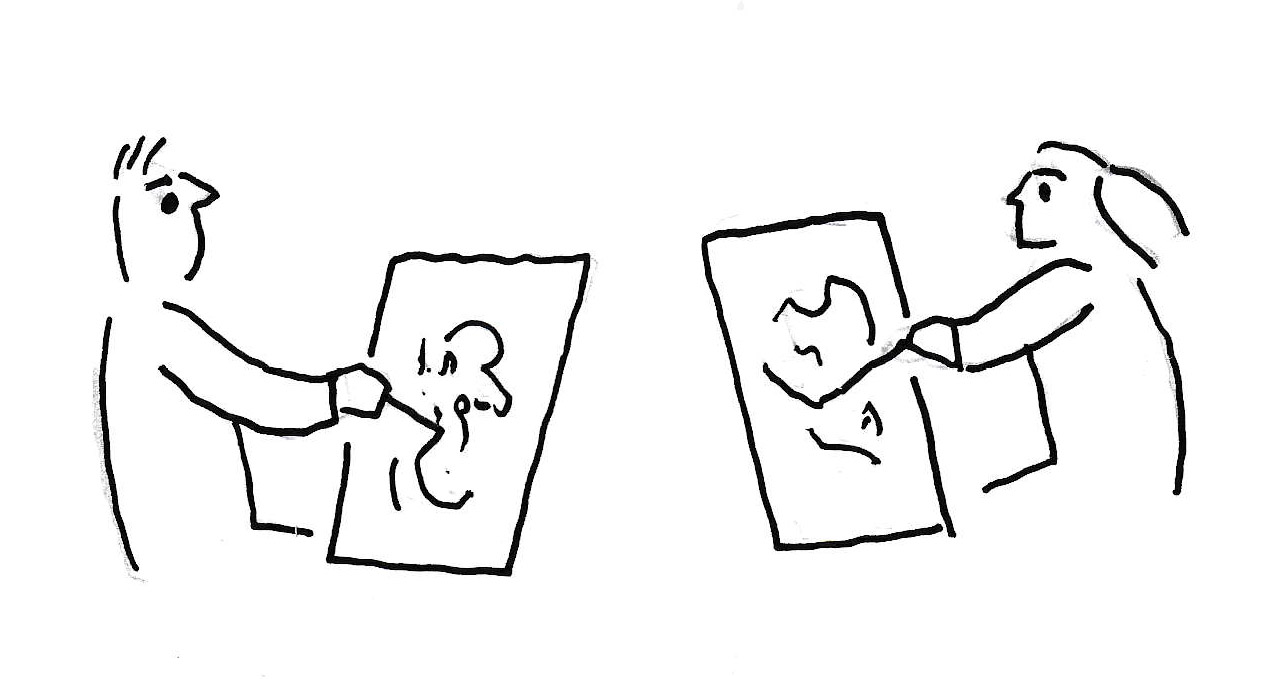
Suggestion: It is fun to do exercise 1 with someone else. Sit opposite each other, start drawing at the same time and after five or ten minutes, for example, show each other the surprising results.
Exercise 2: DRAWING FROM MEMORY
Use a small mirror. Study your reflection for at least 5 minutes without drawing. Then draw what you can remember in 5 minutes without looking in the mirror. Repeat this sequence as often as you want. I got this exercise from Anastasia K, a young artist who lives and works in Rotterdam. She gives painting courses and workshops in her studio: https://www.art-workshop.nl
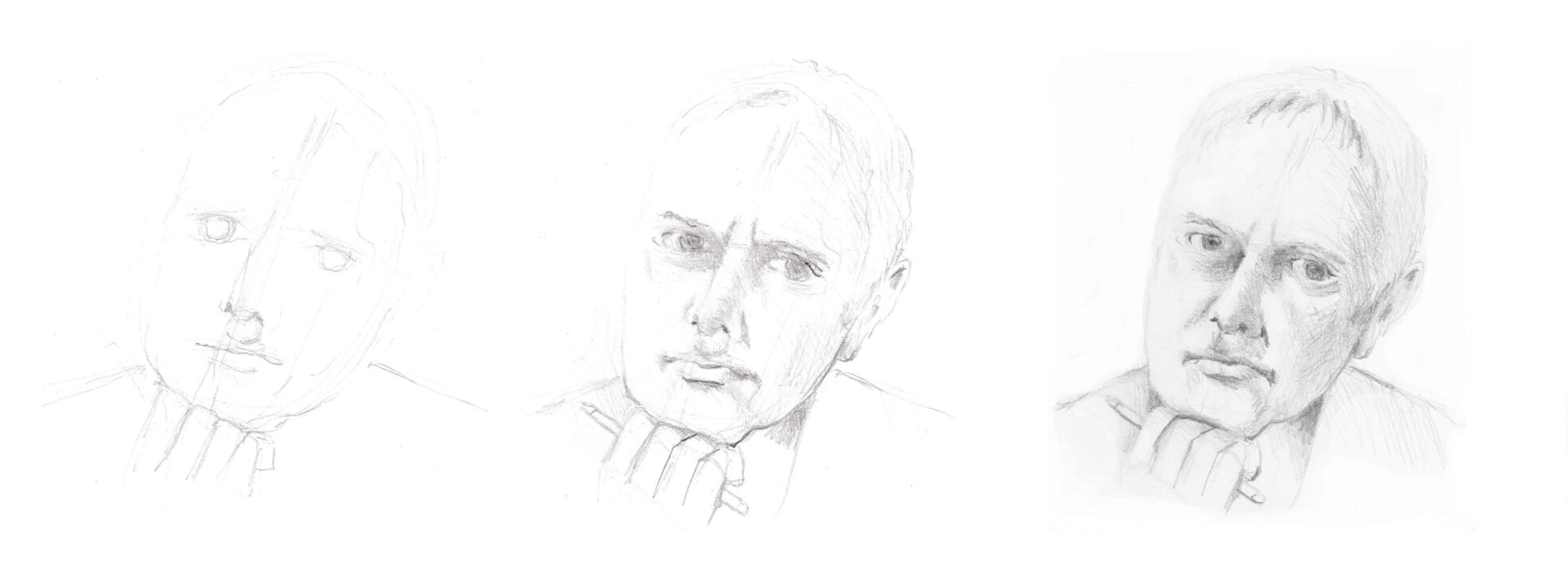
Exercise 3: FOCUS ON SHADOW
Step 1: Take a close-up photo of yourself or someone else (head, face, neck, and part of the shoulders). Ensure strong side lighting so you get clear shadows.
Step 2: Convert the photo on your camera or computer to black and white. First, trace the face from the photo using outlines (far left).
Step 3: Rotate the photo and your drawing 180 degrees* (second from the left). Draw the darkest shadow shapes first, followed by the ‘midtones’ (third from the left).
Step 4: Turn your drawing over again and check if you are missing anything.
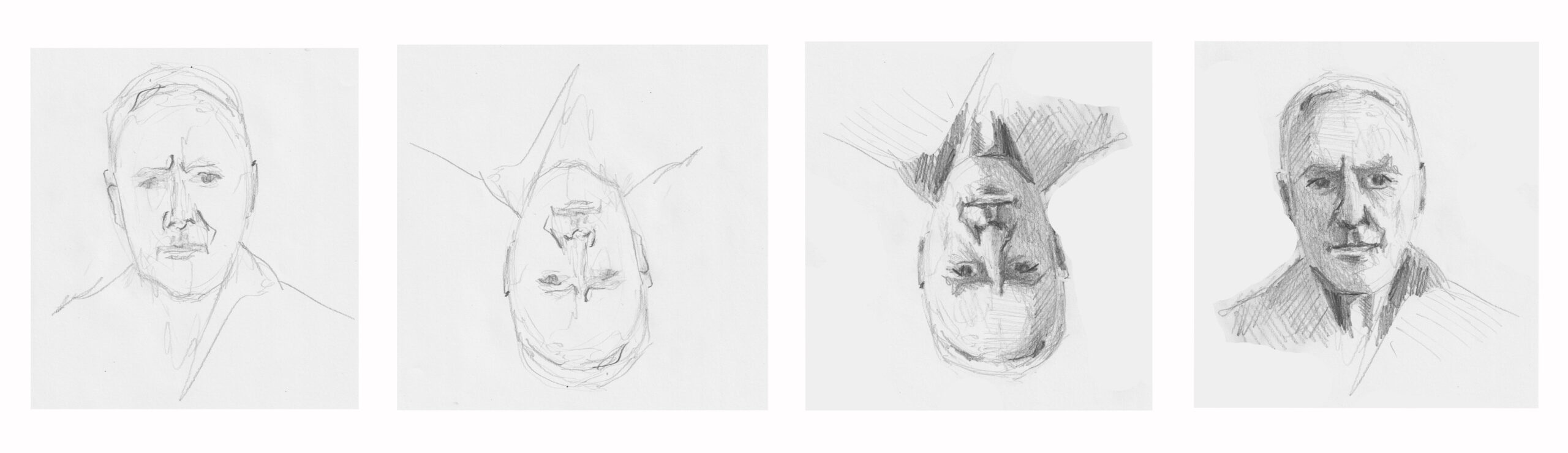
*By working upside down, you will concentrate better on light and dark instead of fixating on the likeness. Working in grayscale is good preparation for painting. Exercise 3 comes from the master illustrator/portrait painter of the NRC, Siegfried Woldhek. You can purchase his drawing courses online.

If you like to continue experimenting with (self-)portraits, try also other materials to discover what you like.