Chapter 4 | ANATOMICAL STUDIES
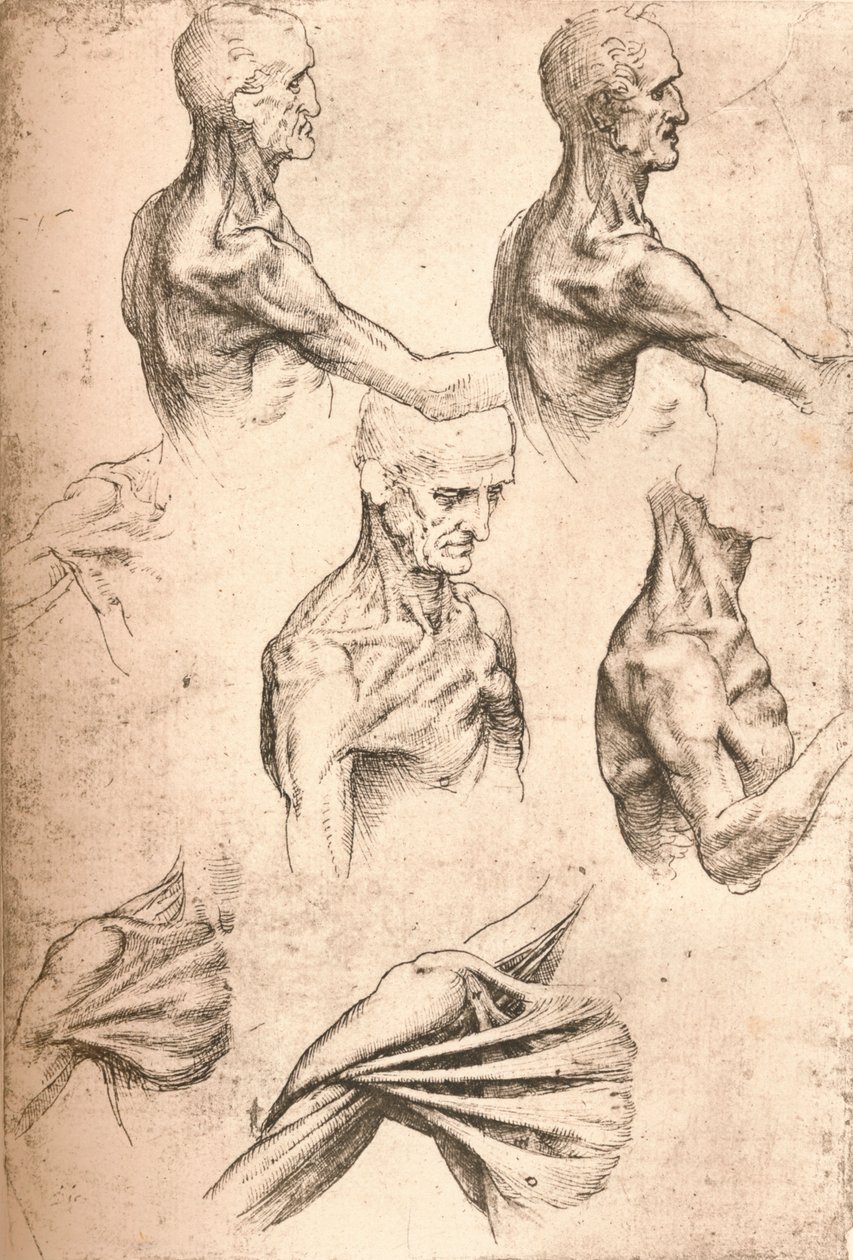
It takes years of intensive study for a draftsman/painter/sculptor to master the art of portraying a human figure with a convincing anatomical quality. Today, there are many examples in museums, books and online, but in the beginning, not only medical anatomists but also artists studied the bodies of the dead to better understand the human figure.
The first book on anatomy was published in 1543 by the Brabant physician/anatomist Andreas Vesalius. The masterful woodcuts for his book were created in Italy by the painter Jan van Kalkar.
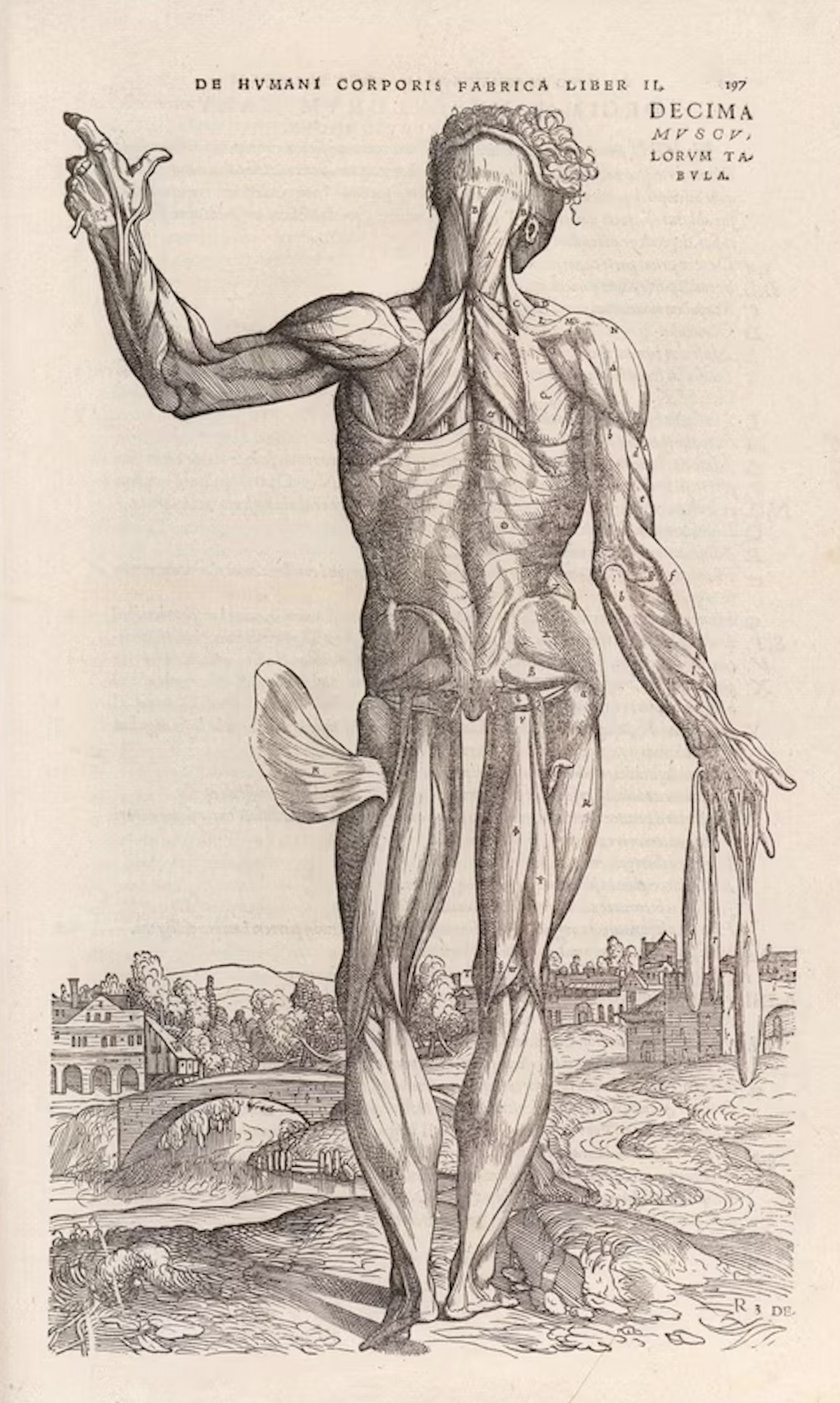
Since Vesalius, more and more anatomy studies have been documented in finely hatched drawings.
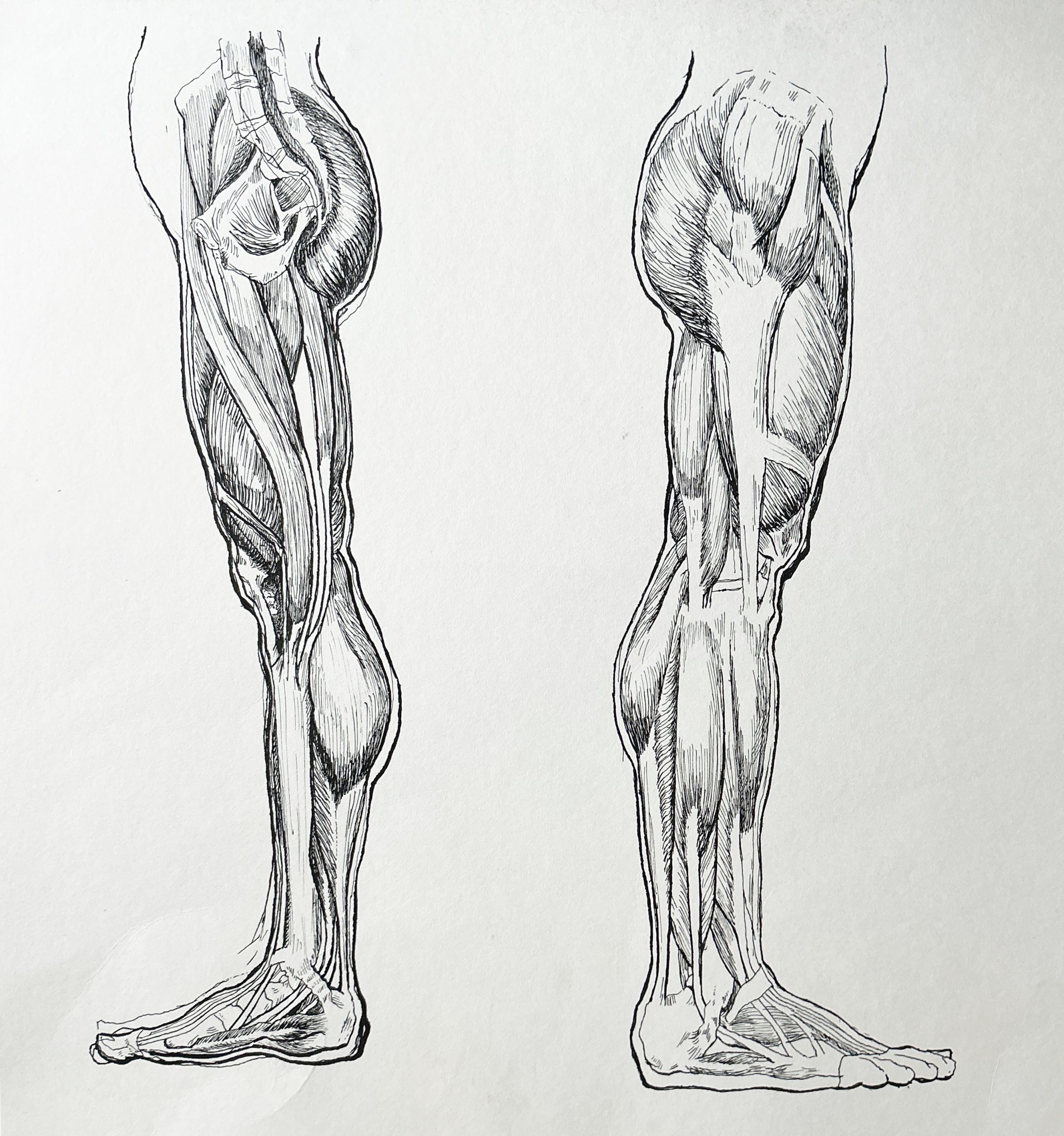
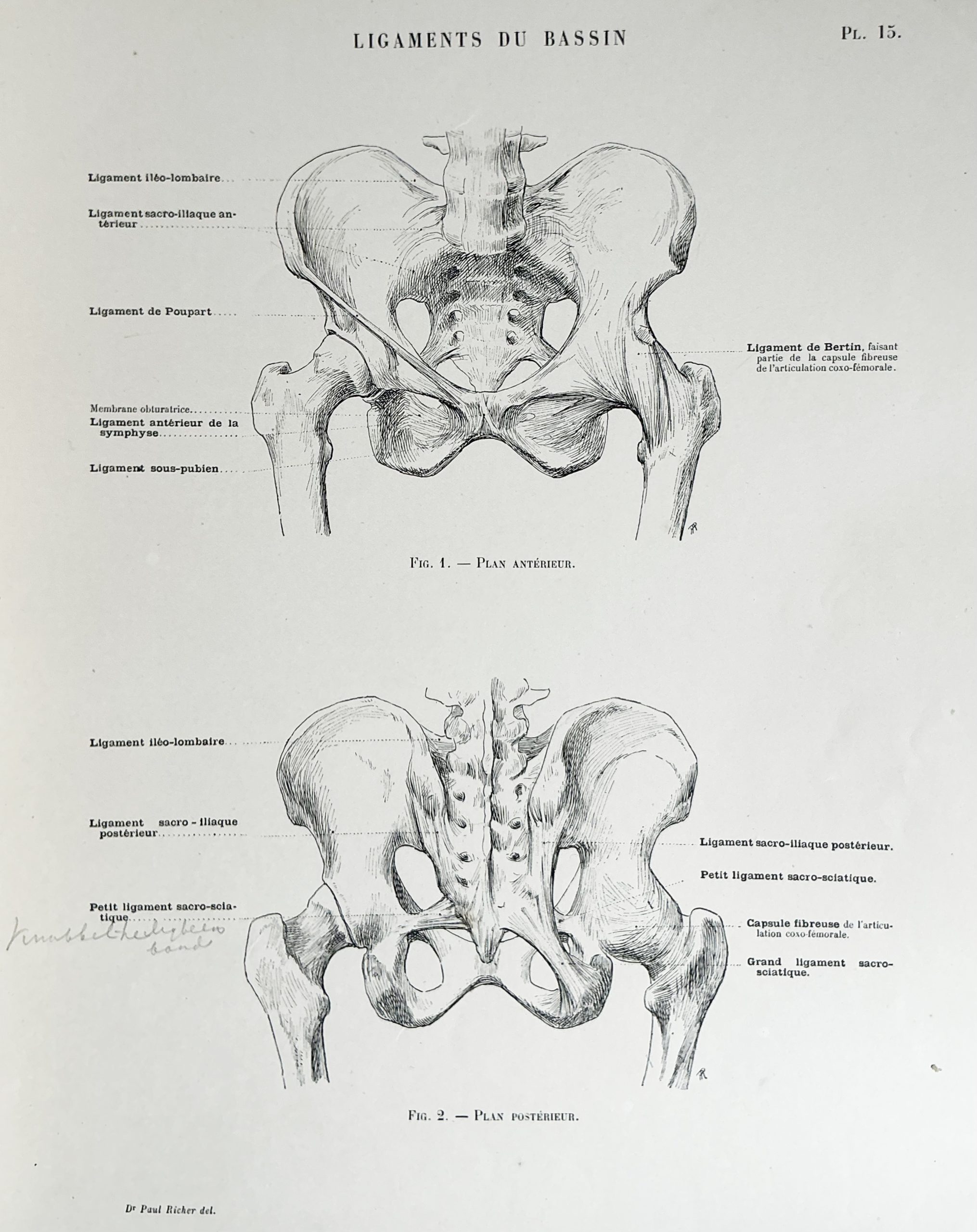
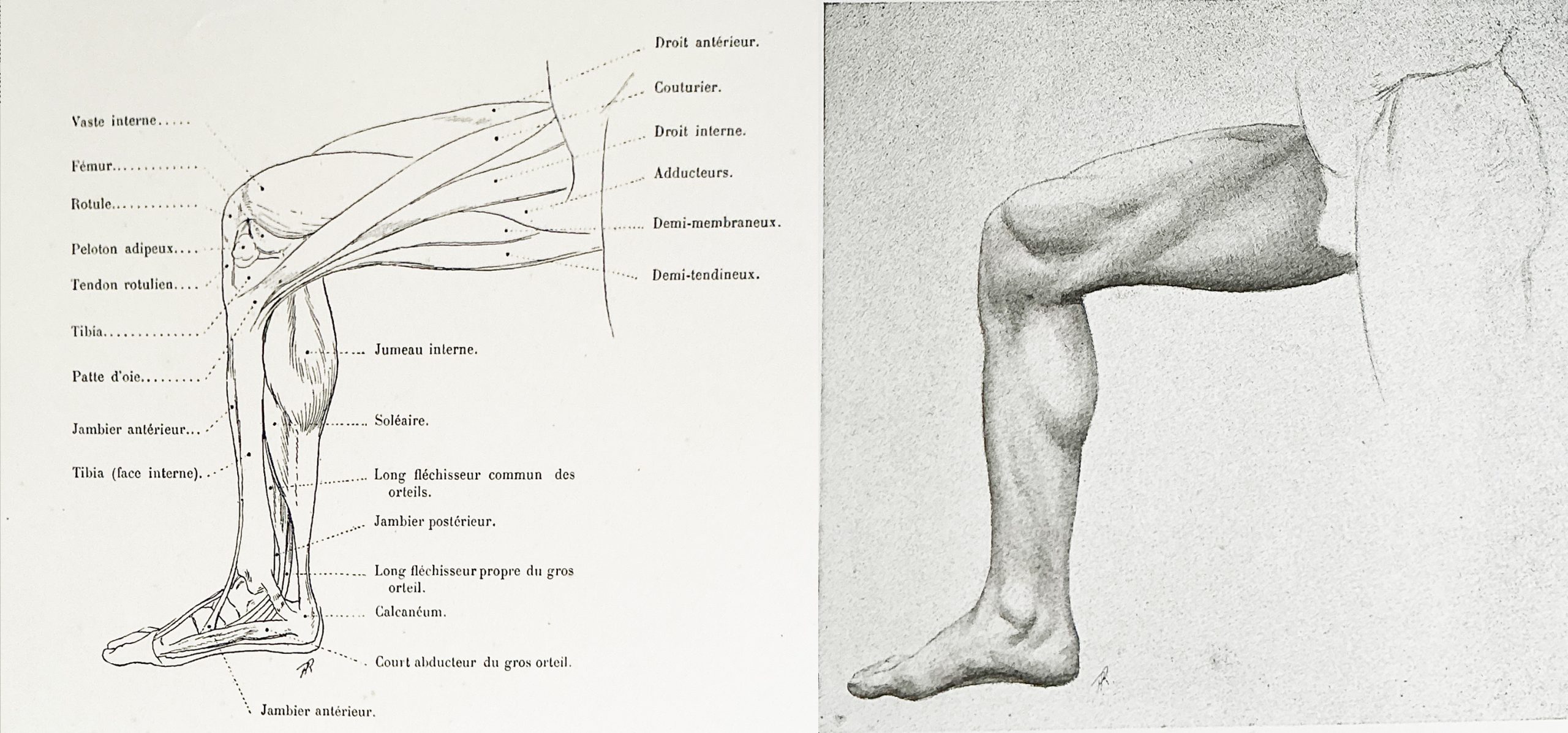
At traditional art academies, students still draw from plaster models of classical statues, live models, or masterpieces in a museum. In the example of a bent leg, you can see how the shadowed appearance is determined by the underlying muscles.
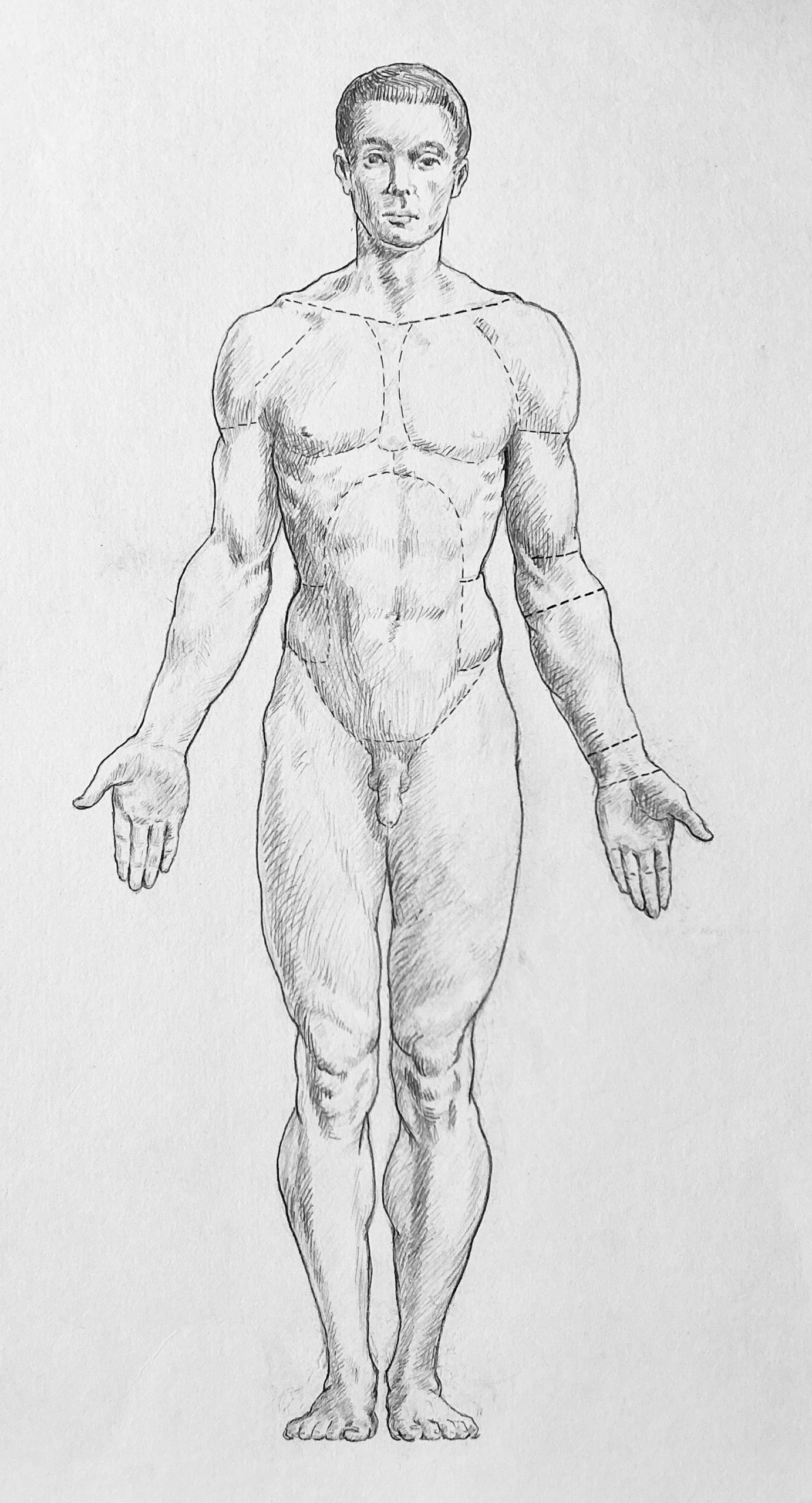
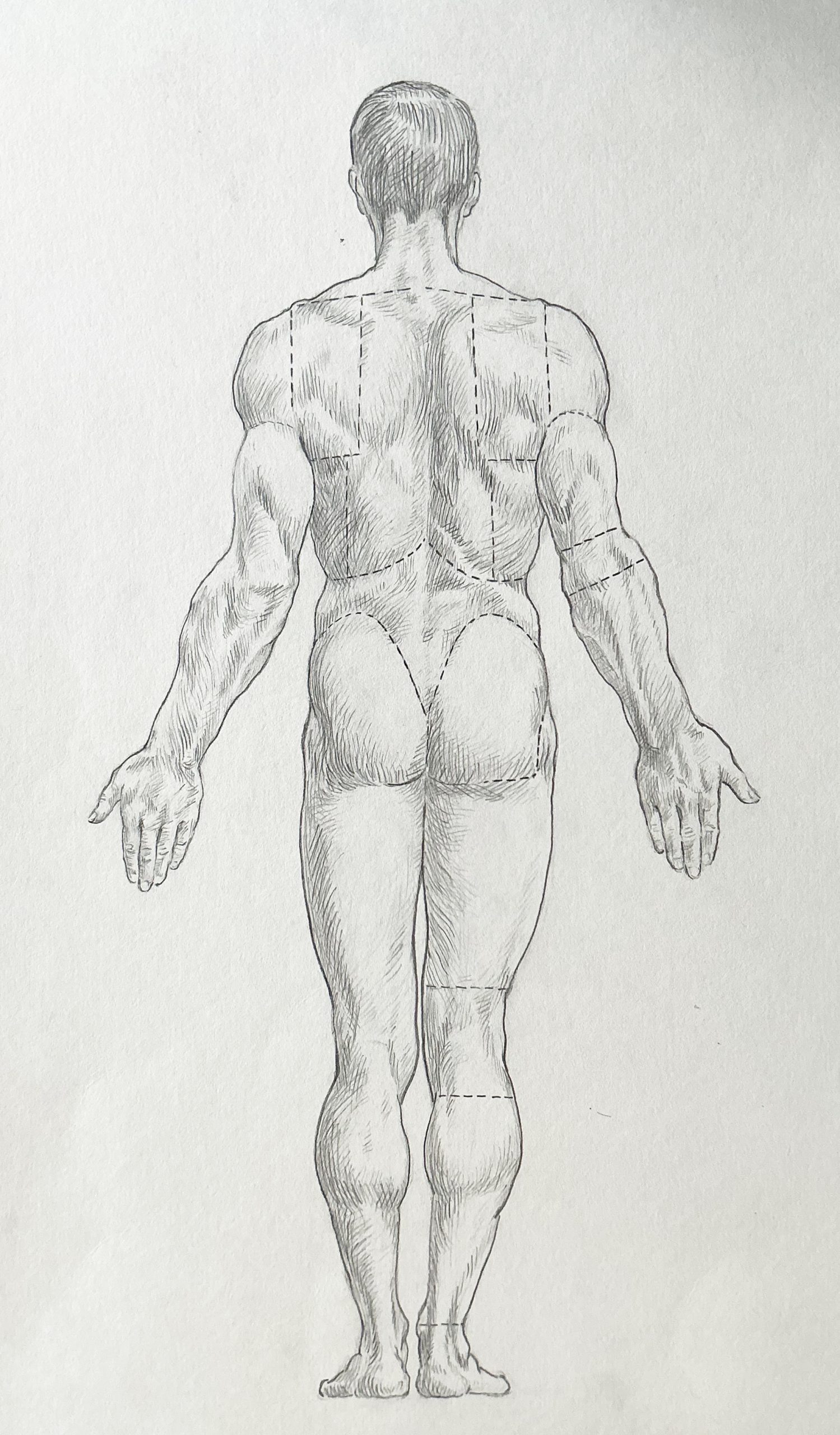
Since the advent of photography in the late 19th century, these kinds of studies have logically faded into the background. Artists increasingly chose to portray nature in sometimes radically new and personal ways. Deformation, in particular, proved to be a powerful means of expression. Yet, drawing a nude human figure more or less accurately remains a challenge, whether at an academy, from books, or during a figure drawing course.